Smart Entertainment Systems
Key Takeaways
- Smart entertainment systems integrate seamlessly with home networks.
- They provide enhanced control over media consumption.
- Compatibility with voice assistants and smart home devices is crucial.
- Customization options allow for a tailored entertainment experience.
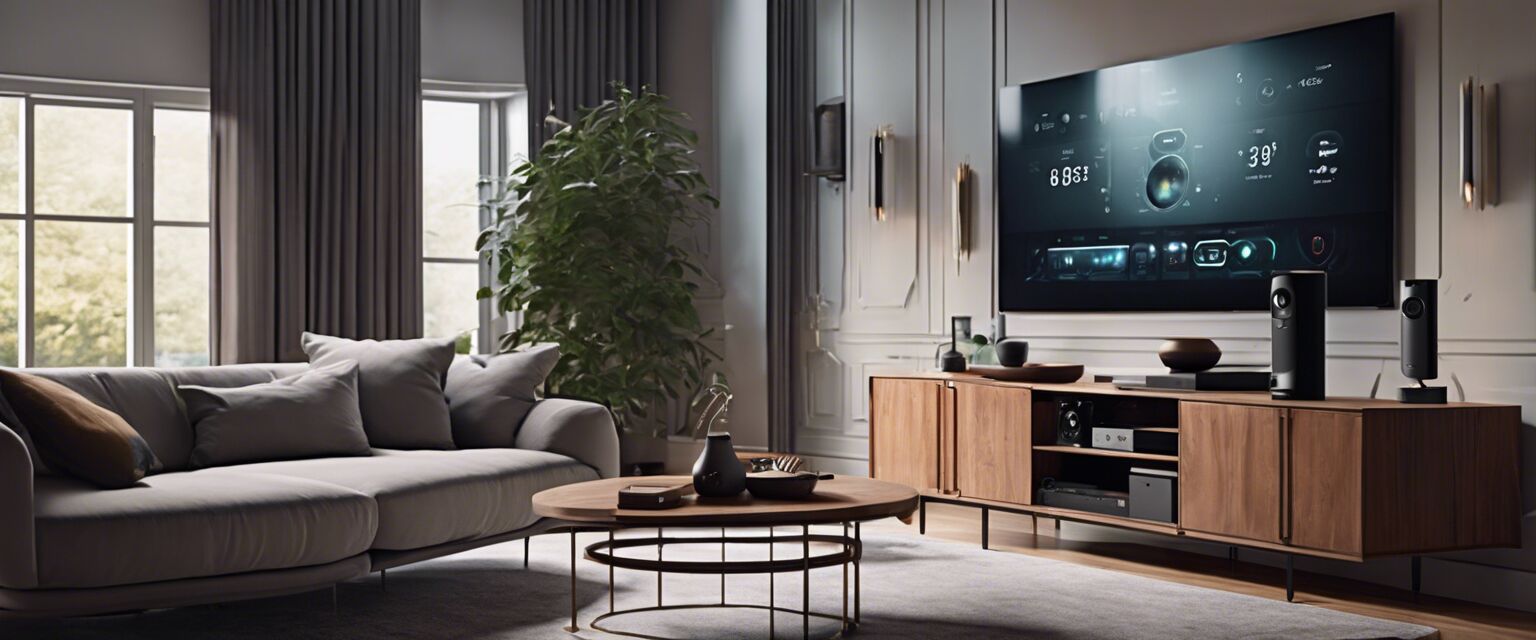
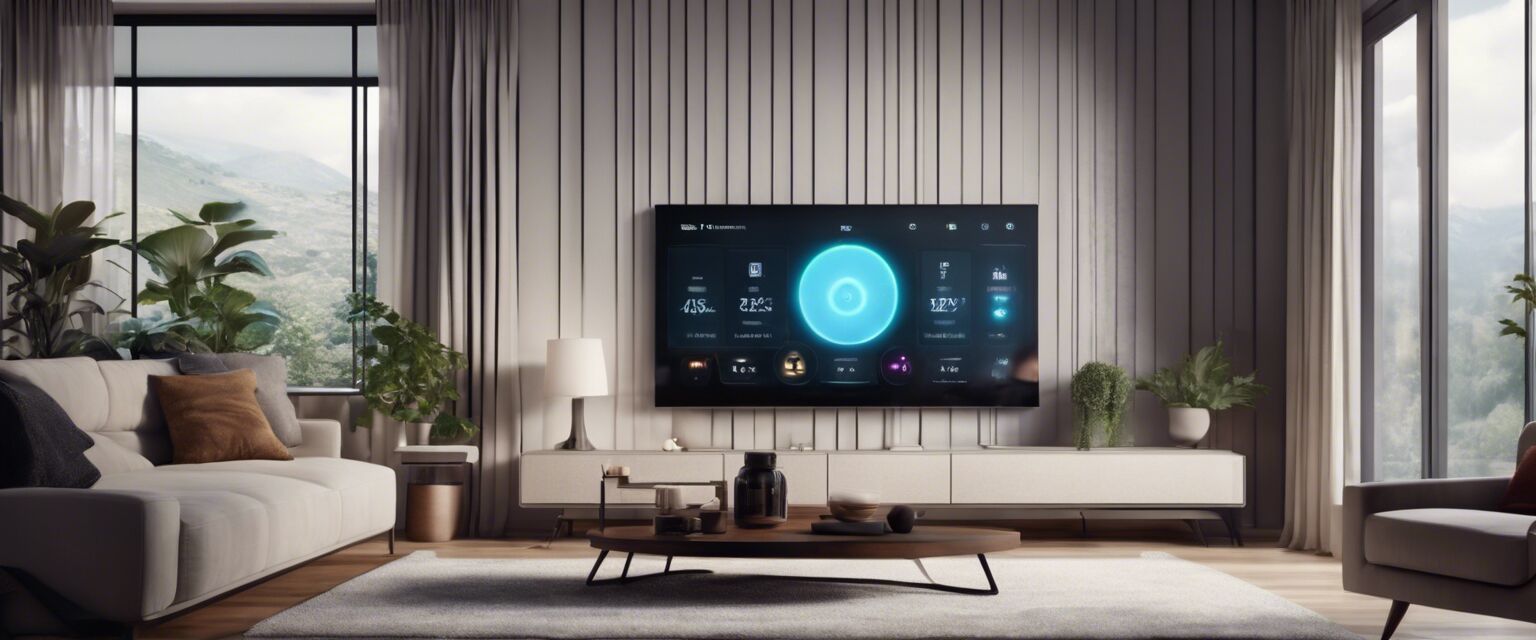
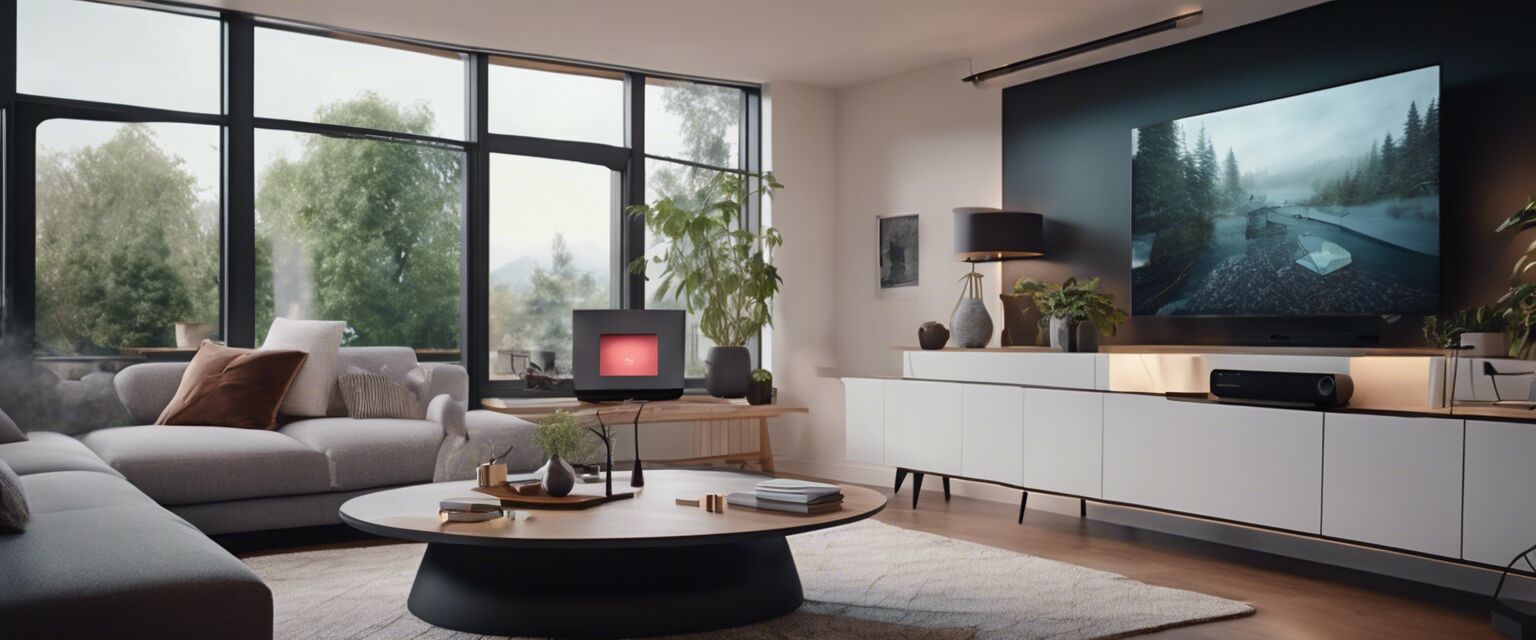
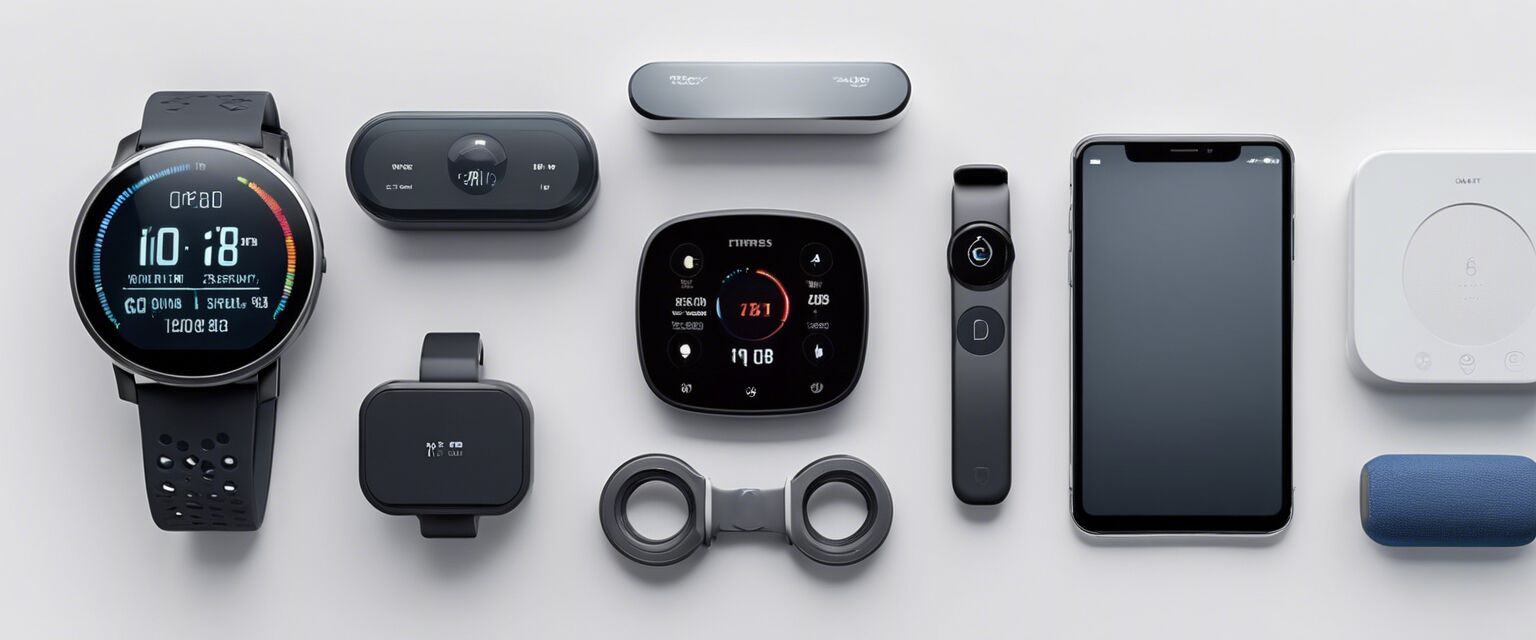
In today's fast-paced world, enhancing your home entertainment experience with smart entertainment devices can transform the way you consume media. From smart TVs to streaming devices, these gadgets offer convenience, quality, and interactivity, making them a perfect addition to any home. This guide will explore various types of smart entertainment systems, their features, benefits, and how to choose the right devices for your needs.
Types of Smart Entertainment Systems
| Device Type | Description |
|---|---|
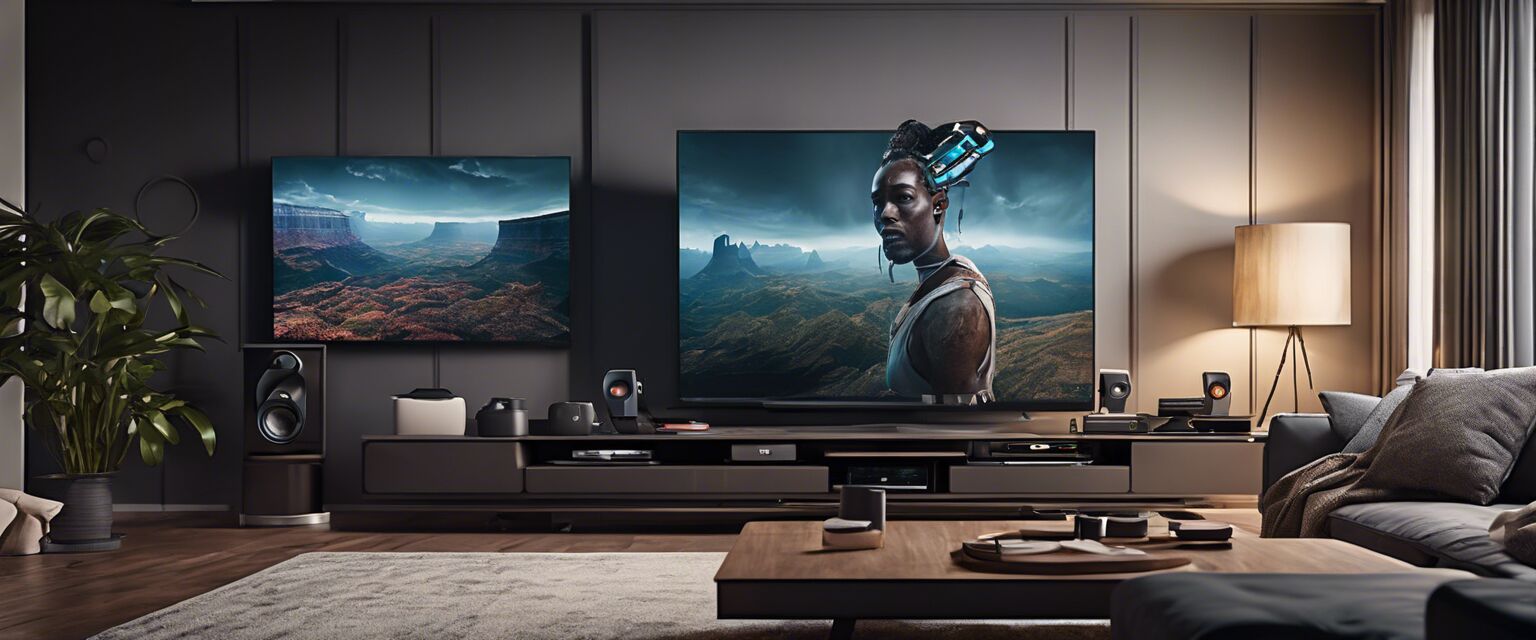
| Smart TVs | Televisions with built-in internet connectivity and smart features. |
| Streaming Devices | Devices that allow you to stream content from the internet to your TV. |
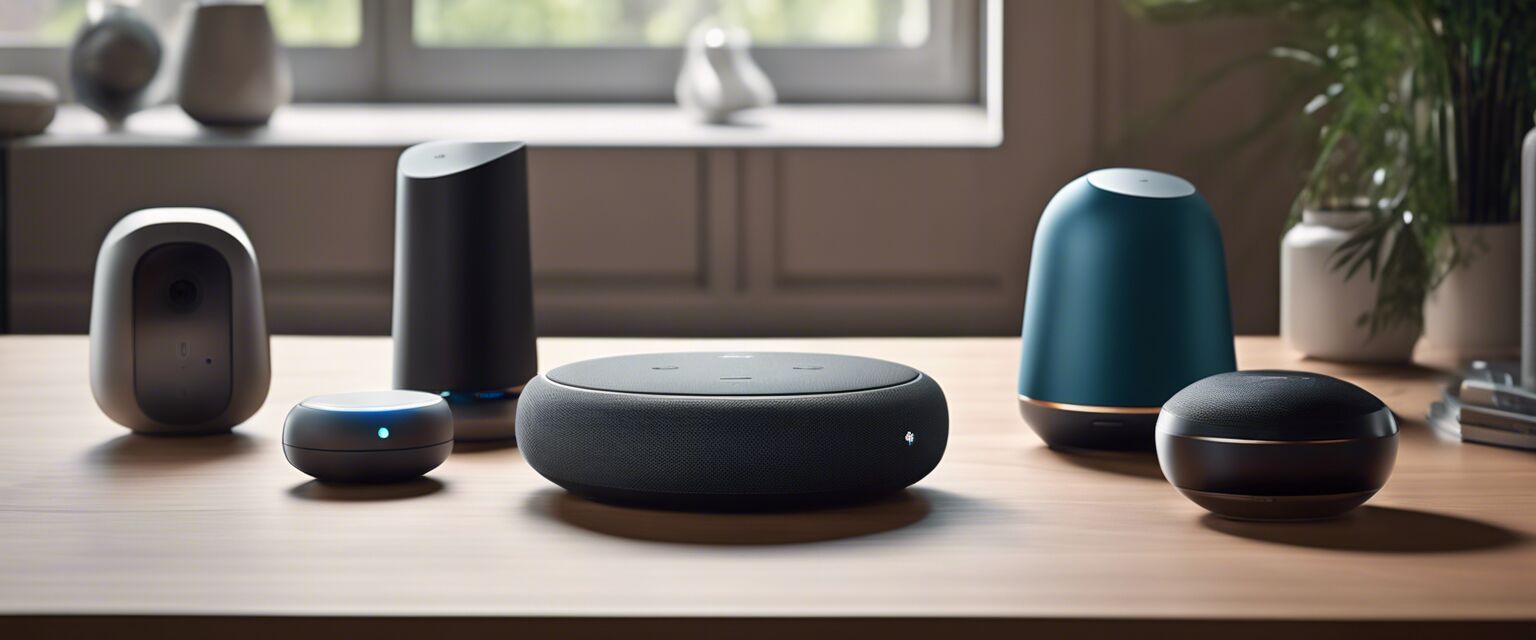
| Smart Speakers | Speakers that can play music and control other smart devices with voice commands. |
| Smart Projectors | Projectors that offer wireless streaming and smart functionality. |
Benefits of Smart Entertainment Systems
- Convenience: Control multiple devices from one app or voice command.
- Quality: Enjoy high-definition and immersive audio experiences.
- Personalization: Customize settings according to your viewing preferences.
- Integration: Seamlessly integrate with other smart home devices.
Enhancing Your Home Experience
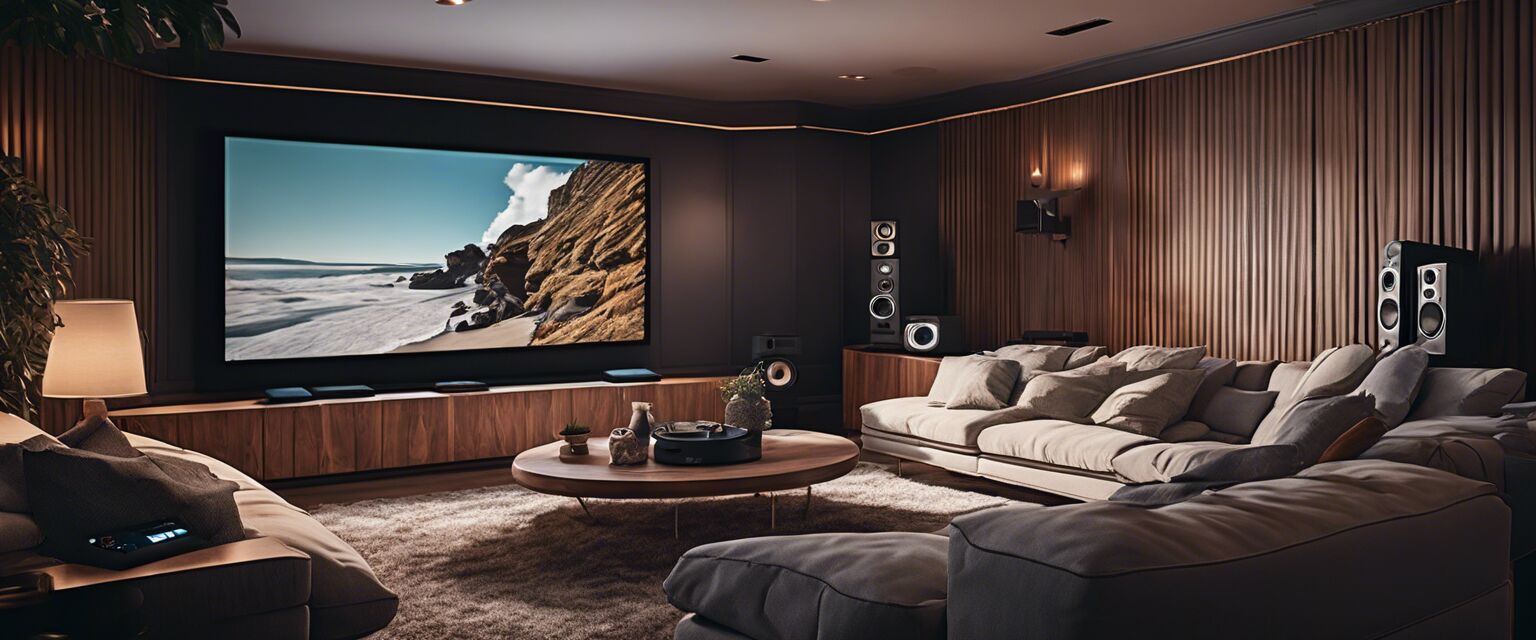
Smart entertainment systems not only enhance your media consumption but also improve your overall home experience. For instance, integrating your smart TV with smart lighting can create the perfect ambiance for movie nights. Similarly, connecting your smart speakers can allow you to enjoy music throughout your home without the need for multiple devices.
How to Choose the Right Smart Entertainment System
Choosing the right smart entertainment system can be daunting. Here are some factors to consider:
- Compatibility: Ensure that the devices are compatible with your existing tech ecosystem.
- Features: Look for features that enhance your experience, such as voice control and streaming capabilities.
- Budget: Set a budget and look for options that provide value for money.
- Reviews: Check reviews and ratings to gauge the performance of the devices.
Popular Smart Entertainment Devices
| Device | Key Features | Price Range |
|---|---|---|
| Smart TV | 4K resolution, built-in streaming apps, voice control | $300 - $2000 |
| Streaming Device | Access to multiple streaming services, portable | $50 - $200 |
| Smart Speaker | Voice assistant, multi-room audio, music streaming | $100 - $300 |
| Smart Projector | Wireless streaming, portable, high resolution | $300 - $1500 |
Integrating Smart Entertainment with Smart Home Systems
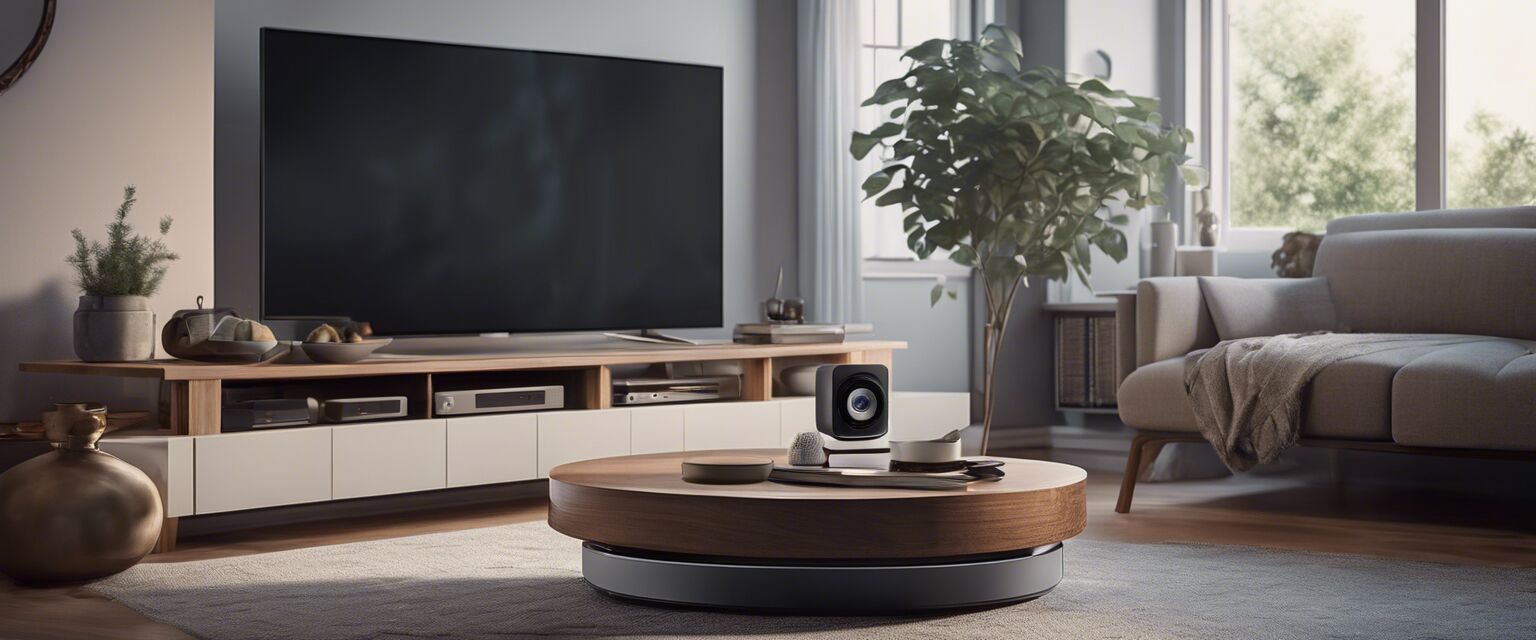
Integrating your smart entertainment systems with other smart home devices can create a cohesive and enhanced living experience. For instance:
- Voice Control: Use voice commands to control your TV, speakers, and lights simultaneously.
- Automation: Set schedules for your devices to turn on and off at specific times.
- Remote Access: Monitor and control your entertainment systems remotely through mobile apps.
Key Considerations for Smart Entertainment Systems
Tips for Beginners
- Start with a single device, like a smart speaker, before expanding.
- Read the user manual for setup and integration tips.
- Explore user communities and forums for troubleshooting advice.
- Keep your devices updated for optimal performance.
Conclusion
Smart entertainment systems have revolutionized the way we enjoy media. By investing in these devices, you can enhance your home entertainment experience, making it more enjoyable and convenient. Whether you are watching a movie, listening to music, or hosting a game night, the right smart entertainment system can elevate every moment. Explore our Smart Entertainment category for more information on the latest products and trends.
Pros
- Wide range of options available for different preferences.
- Easy integration with existing smart home setups.
- Enhanced user experience through voice control and automation.
Cons
- Initial setup can be complicated for some users.
- Compatibility issues may arise with older devices.
- Ongoing updates and maintenance might be required.