Smart Home Hubs
Key Takeaways
- Smart home hubs centralize control of your smart devices.
- They enhance automation and improve user experience.
- Compatibility with various brands is crucial for an efficient hub.
- Choosing the right hub can lead to significant time and energy savings.
- Security features are essential in smart home hubs.
Smart home hubs are essential components in today's connected homes. They serve as the central control point for various smart devices, allowing users to manage everything from lighting to security systems seamlessly. This article will explore the features, benefits, and considerations when selecting a smart home hub, helping you make an informed decision for your smart home setup.
What is a smart home hub?
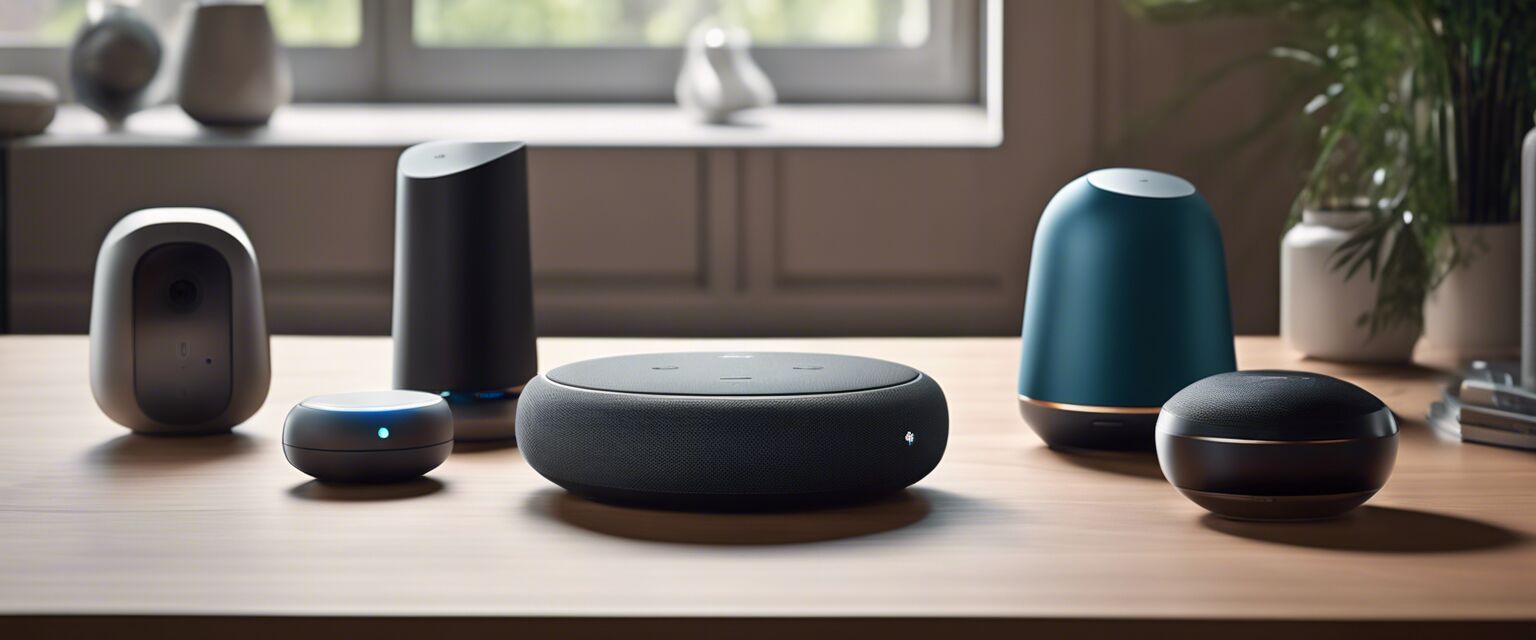
A smart home hub is a device that connects and controls multiple smart devices within a home. It acts as a bridge between different gadgets, enabling them to communicate and work together efficiently. Hubs typically support various protocols and standards, making them versatile in managing a wide range of devices.
How does a smart home hub work?
Smart home hubs operate by connecting to your homeâs Wi-Fi network. They communicate with compatible devices using different communication protocols such as Zigbee, Z-Wave, and Wi-Fi. Once connected, users can control devices through a single app or voice commands, simplifying the management of their smart home.
Benefits of using a smart home hub
- Centralized control: Manage all your smart devices from one interface.
- Automation: Set up routines and automation for everyday tasks.
- Compatibility: Connect devices from different manufacturers.
- Voice control: Use voice assistants to control your devices hands-free.
- Energy efficiency: Monitor and optimize energy usage across devices.
Comparison of popular smart home hubs
| Hub Model | Supported Protocols | Voice Assistant | Mobile App |
|---|---|---|---|
| Amazon Echo Plus | Zigbee, Wi-Fi | Alexa | Alexa App |
| Google Nest Hub | Wi-Fi, Bluetooth | Google Assistant | Google Home |
| Samsung SmartThings | Zigbee, Z-Wave, Wi-Fi | Bixby, Alexa, Google Assistant | SmartThings App |
| Apple HomePod Mini | Wi-Fi, Thread | Siri | Home App |
Key features to consider when choosing a smart home hub
- Device compatibility: Ensure the hub works with your existing devices.
- Protocol support: Look for hubs that support multiple communication protocols.
- Ease of use: A user-friendly interface is crucial for a positive experience.
- Security: Choose hubs with robust security features to protect your data.
- Expandability: Consider if the hub allows for future device integrations.
Smart home hub installation and setup
Setting up a smart home hub is typically straightforward. Hereâs a quick guide to get you started:
- Download the hubâs mobile app.
- Connect the hub to your Wi-Fi network.
- Add your smart devices through the app.
- Set up routines and automation as desired.
- Enjoy centralized control of your smart home!
Common issues and troubleshooting tips
While smart home hubs are generally reliable, you may encounter issues. Here are some common problems and troubleshooting tips:
- Device not responding: Restart the hub and the device.
- Connection issues: Check your Wi-Fi signal strength.
- App not updating: Ensure the app is up to date and restart your device.
- Automation not working: Review your routines for any errors.
Smart home security considerations
Security is a critical aspect of smart home hubs. Ensure your hub has the following features:
- Data encryption: Protects your data from unauthorized access.
- Two-factor authentication: Adds an extra layer of security to your account.
- Regular updates: Keeps the software secure against vulnerabilities.
Conclusion
Smart home hubs are invaluable tools for managing your connected devices efficiently. By centralizing control, enhancing automation, and improving compatibility, they significantly enhance your smart home experience. When selecting a hub, consider compatibility, ease of use, and security features to ensure you make the best choice for your needs.
Pros
- Centralized management of smart devices.
- Enhanced automation capabilities.
- Compatible with a wide range of devices.
- Improved energy efficiency.
Cons
- Initial setup can be complicated for some users.
- Potential compatibility issues with certain devices.
- Security vulnerabilities if not regularly updated.
Explore more smart tech gadgets
Looking to expand your smart home setup? Check out our other categories:
Additional resources for smart home enthusiasts
For more information on smart home technology, consider exploring these topics:
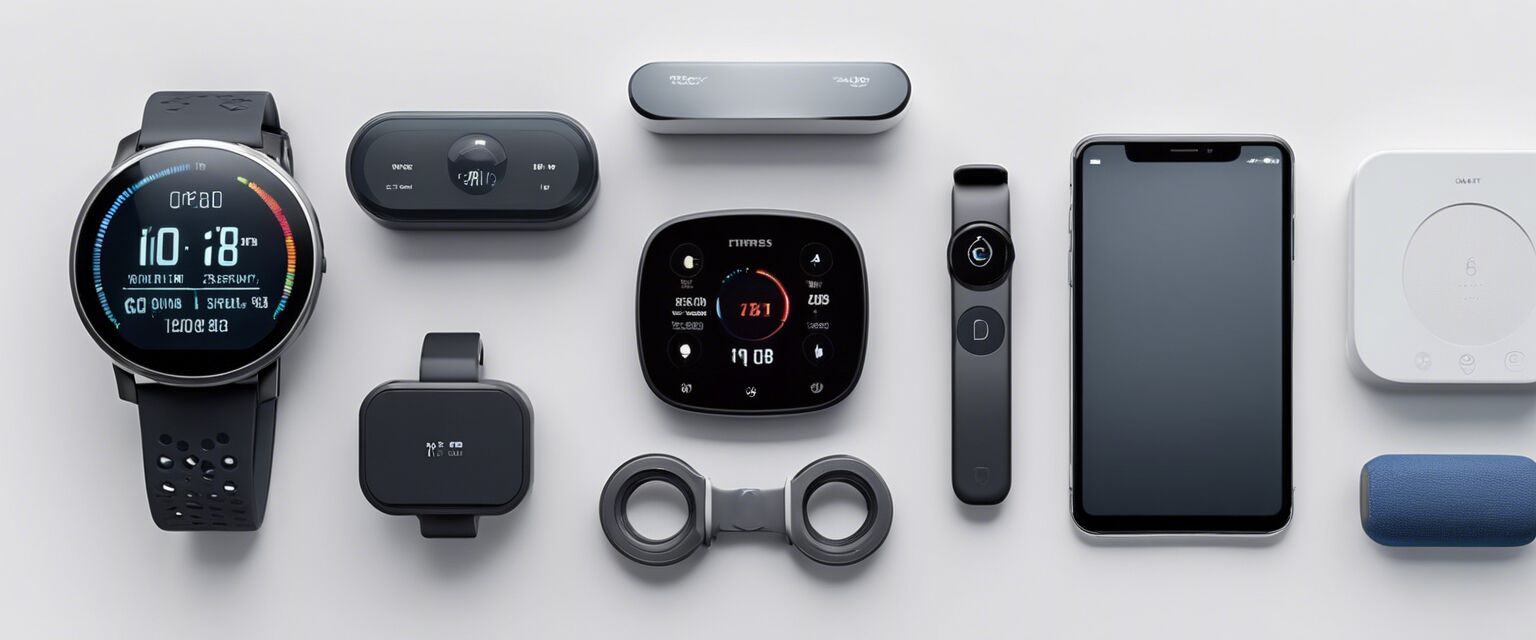
Visualizing your smart home setup

Final thoughts
Investing in a smart home hub can significantly improve your daily routines and overall home management. Take the time to research and choose the right hub that fits your lifestyle, and enjoy the benefits of a smarter home.