Smart Thermostats
Key Takeaways
- Smart thermostats help in efficient energy management.
- They can be controlled remotely via smartphone apps.
- Advanced models learn user preferences to optimize heating and cooling.
- Many smart thermostats integrate with smart home systems.
Smart thermostats are rapidly becoming essential devices for modern homes. They not only enhance comfort but also contribute to energy savings. In this article, we will explore the features, benefits, and functionalities of smart thermostats, as well as how they compare to traditional models.
What are smart thermostats?
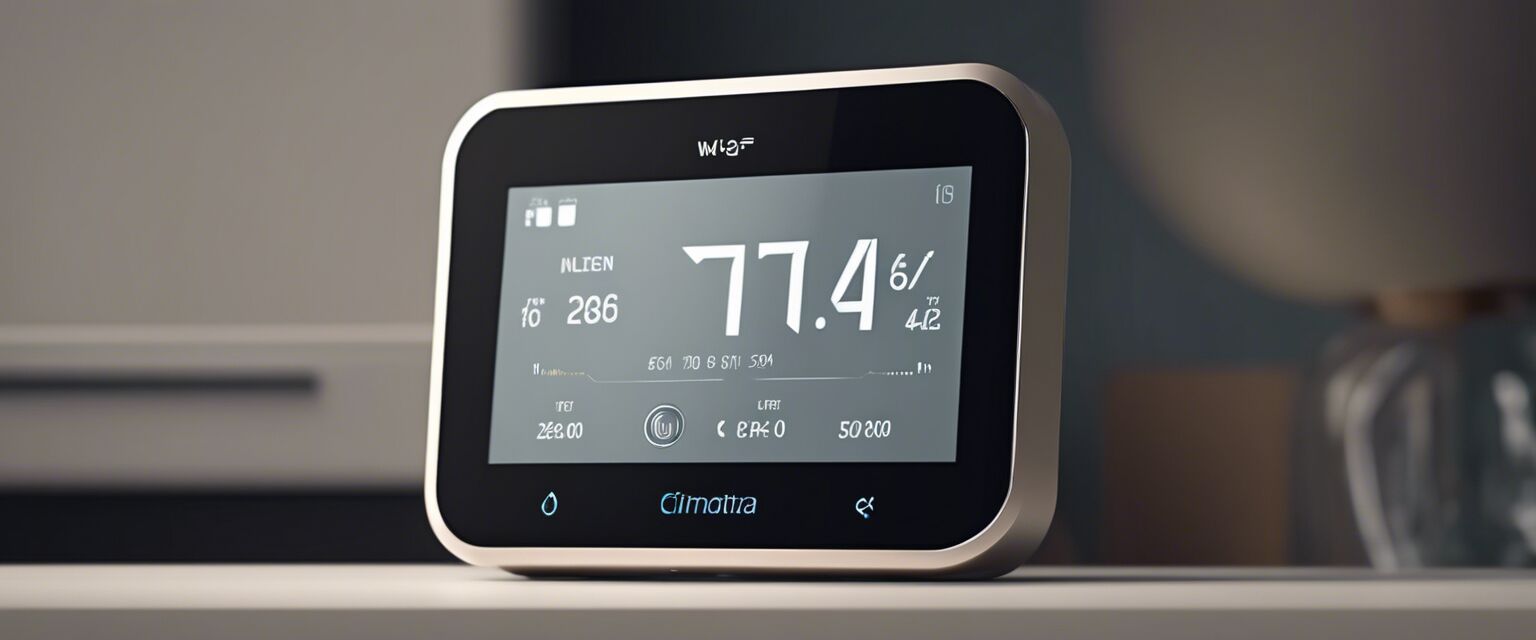
Smart thermostats are devices that allow homeowners to control their heating and cooling systems remotely. Unlike traditional thermostats, which require manual adjustments, smart thermostats can be programmed and controlled via smartphone apps or voice commands through smart home assistants.
Benefits of using smart thermostats
- Energy Efficiency: Smart thermostats can significantly reduce energy consumption by learning user behaviors and optimizing temperature settings.
- Remote Access: They allow users to adjust their home's temperature from anywhere, using their smartphones or tablets.
- Integration: Many models can integrate with other smart home devices, enhancing overall home automation.
- Data Insights: Users can track energy usage and get insights, helping them make informed decisions to save on energy bills.
How smart thermostats work
Smart thermostats utilize Wi-Fi connectivity to communicate with mobile devices and smart home systems. They often come equipped with temperature sensors, motion detectors, and learning algorithms that adapt to user preferences over time.
Comparison of smart thermostats vs traditional thermostats
| Feature | Smart Thermostats | Traditional Thermostats |
|---|---|---|
| Remote Control | Yes | No |
| Learning Capability | Yes | No |
| Energy Reports | Yes | No |
| Integration with Smart Home | Yes | No |
Popular features of smart thermostats
- Geofencing: Adjusts settings based on the location of the homeowner's smartphone.
- Voice Control: Compatible with voice assistants like Amazon Alexa and Google Assistant.
- Learning Mode: Adapts to usersâ schedules and preferences over time.
- Energy Savings Mode: Automatically adjusts temperature settings to save energy when no one is home.
Choosing the right smart thermostat
When selecting a smart thermostat, consider the following factors:
- Compatibility with your HVAC system.
- Features that meet your specific needs (e.g., geofencing, learning capability).
- User interface and ease of use.
- Integration with other smart home devices.
Tips for beginners
- Start with a budget in mind and explore models within that range.
- Read user reviews to understand the performance of different models.
- Check for compatibility with your existing heating and cooling systems.
- Look for energy-saving features that align with your lifestyle.
Installation of smart thermostats
Installing a smart thermostat can be a straightforward process, but it may require some basic electrical knowledge. Here are the general steps:
- Turn off power to your HVAC system.
- Remove the old thermostat and note the wiring configuration.
- Connect the wires to the corresponding terminals on the smart thermostat.
- Mount the new thermostat on the wall.
- Turn the power back on and follow the setup instructions in the app.
Common issues and troubleshooting
While smart thermostats are designed to be user-friendly, you may encounter some common issues:
- Wi-Fi Connectivity Problems: Ensure your thermostat is within range of your router.
- Incorrect Temperature Reading: Check if the sensor is obstructed or miscalibrated.
- App Connectivity Issues: Restart the app or reinstall it if necessary.
Future of smart thermostats
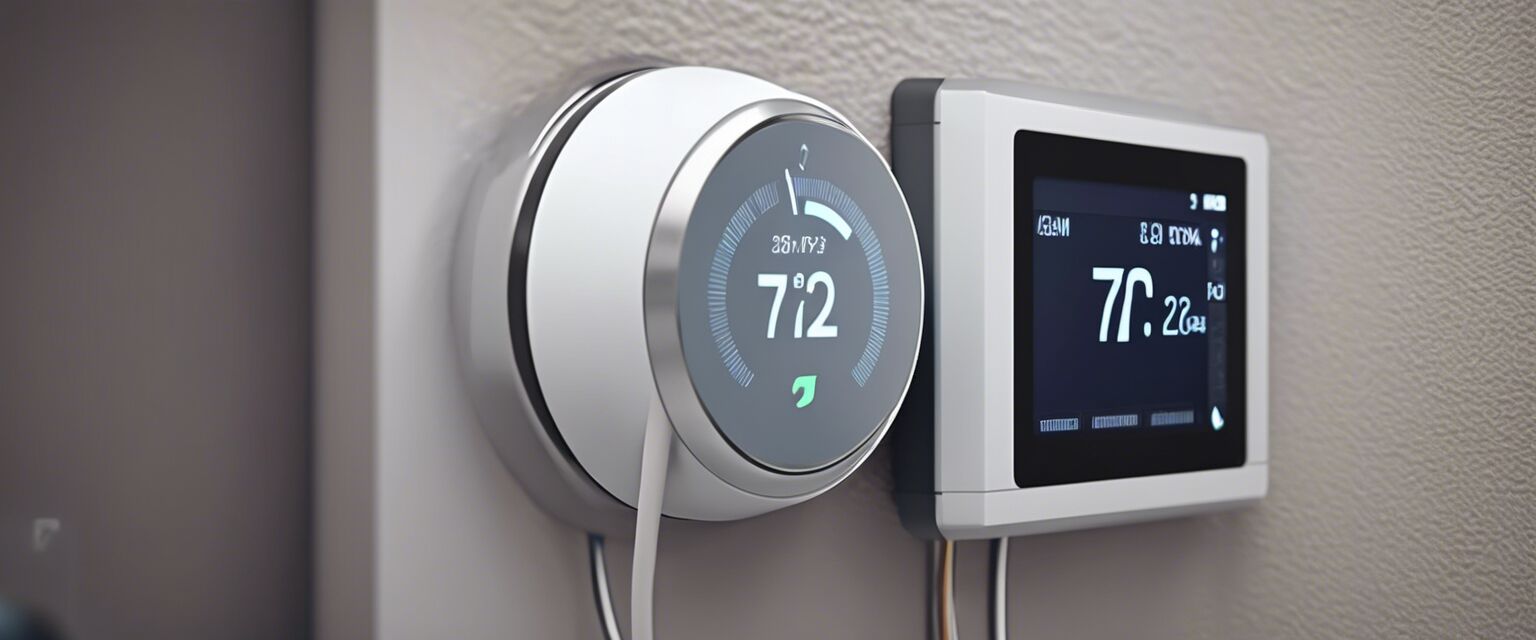
The future of smart thermostats looks promising as technology continues to evolve. We can expect advancements in AI and machine learning, enabling even more precise climate control and energy efficiency. Additionally, the integration with renewable energy sources like solar panels may become common.
Conclusion
Smart thermostats provide an effective solution for managing home temperatures while promoting energy efficiency and convenience. By understanding their features and benefits, you can make an informed decision on the best smart thermostat for your home. For more information on other smart home devices, check out our smart appliances and smart home assistants pages.
Pros
- Energy savings and efficiency
- Convenient remote access
- Integration with smart home systems
- User-friendly interfaces
Cons
- Initial cost can be high
- Requires Wi-Fi connectivity
- Potential compatibility issues with older systems