Smart Wearable Devices
Key Takeaways
- Smart wearable devices enhance daily life through connectivity and data tracking.
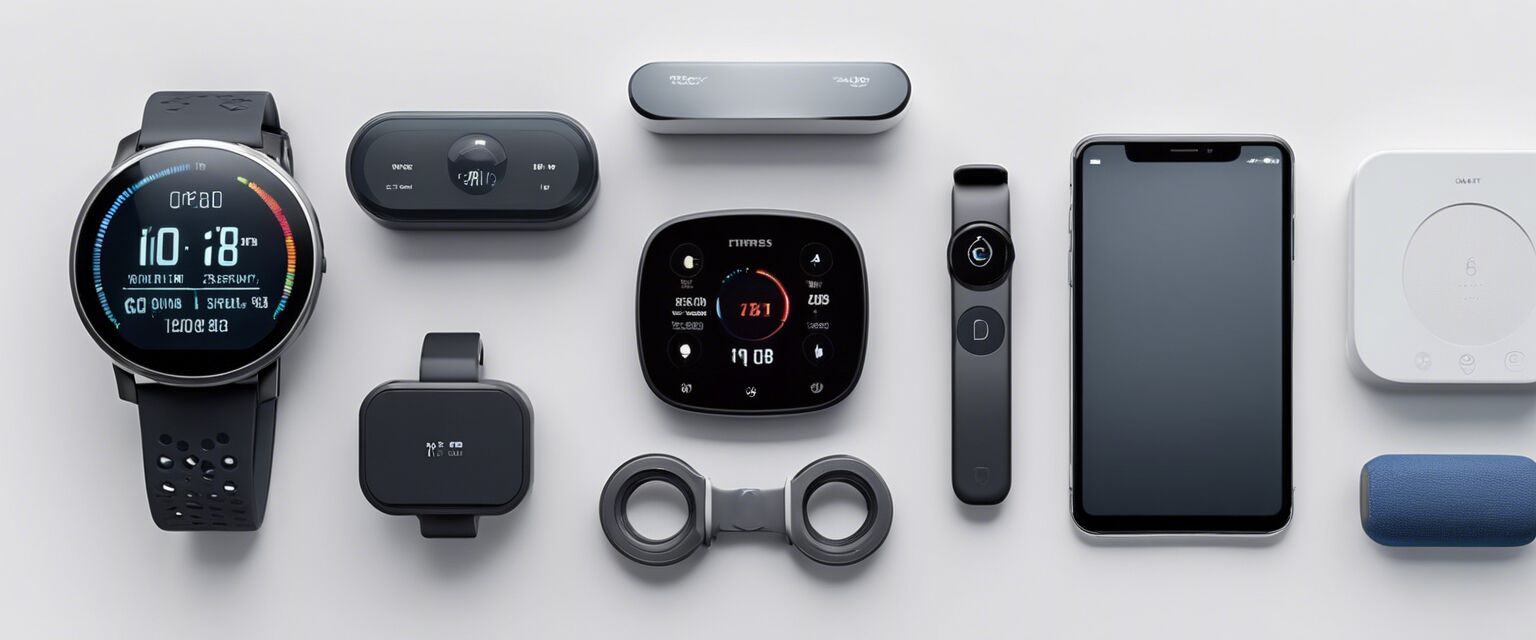
- Popular types include smartwatches, fitness trackers, and smart glasses.
- Integration with other smart home devices can create a seamless tech experience.
- Prioritize compatibility and features when choosing a smart wearable device.
The evolution of technology has introduced a new category of gadgetsâsmart wearable devices. These gadgets not only keep you organized and informed but also monitor various aspects of your daily activities. Whether you're an active fitness enthusiast or someone who wants to stay connected on the go, smart wearables can play a significant role in enhancing your routine.
What are smart wearable devices?
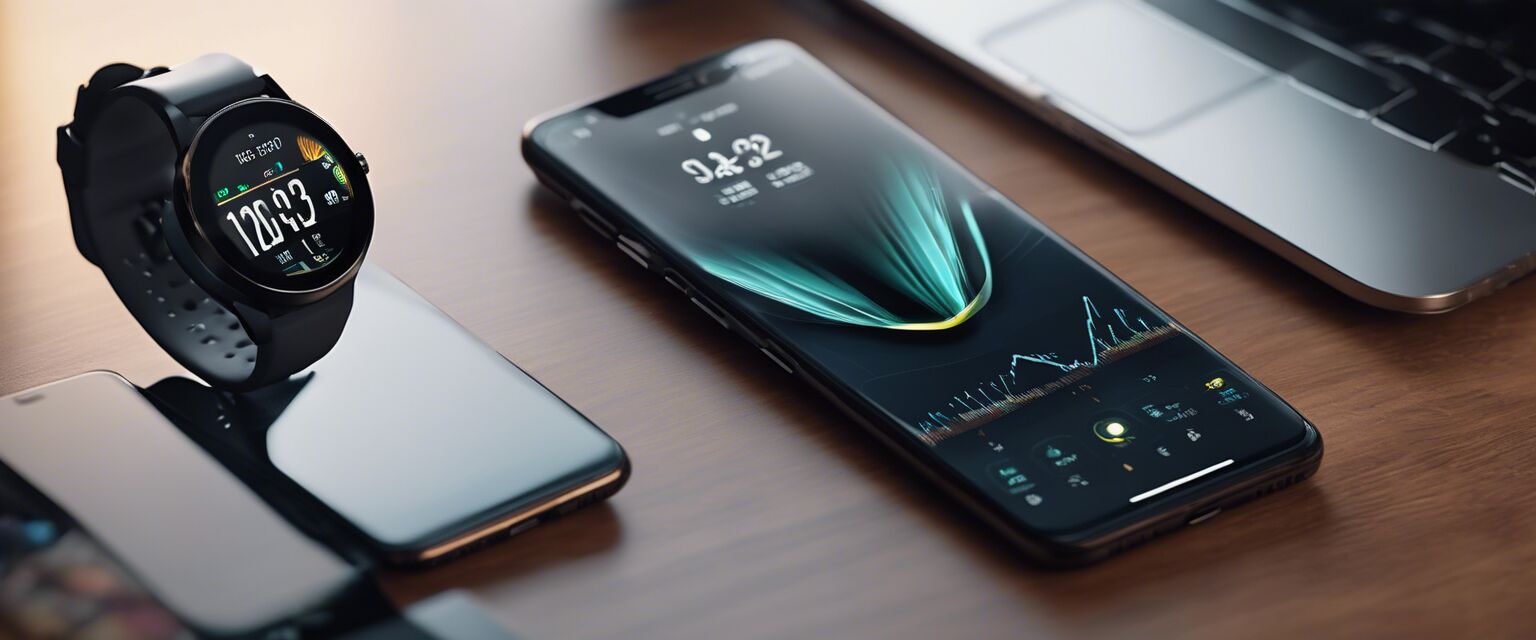
Smart wearable devices are electronic technologies that can be worn on the body as accessories or implants. They often connect to your smartphone and leverage various sensors to collect data, monitor health, and provide notifications. From smartwatches to fitness trackers, these devices are designed to enhance your lifestyle with technology.
Types of smart wearable devices
Below are some of the most popular categories of smart wearable devices:
| Type | Description | Key Features |
|---|---|---|
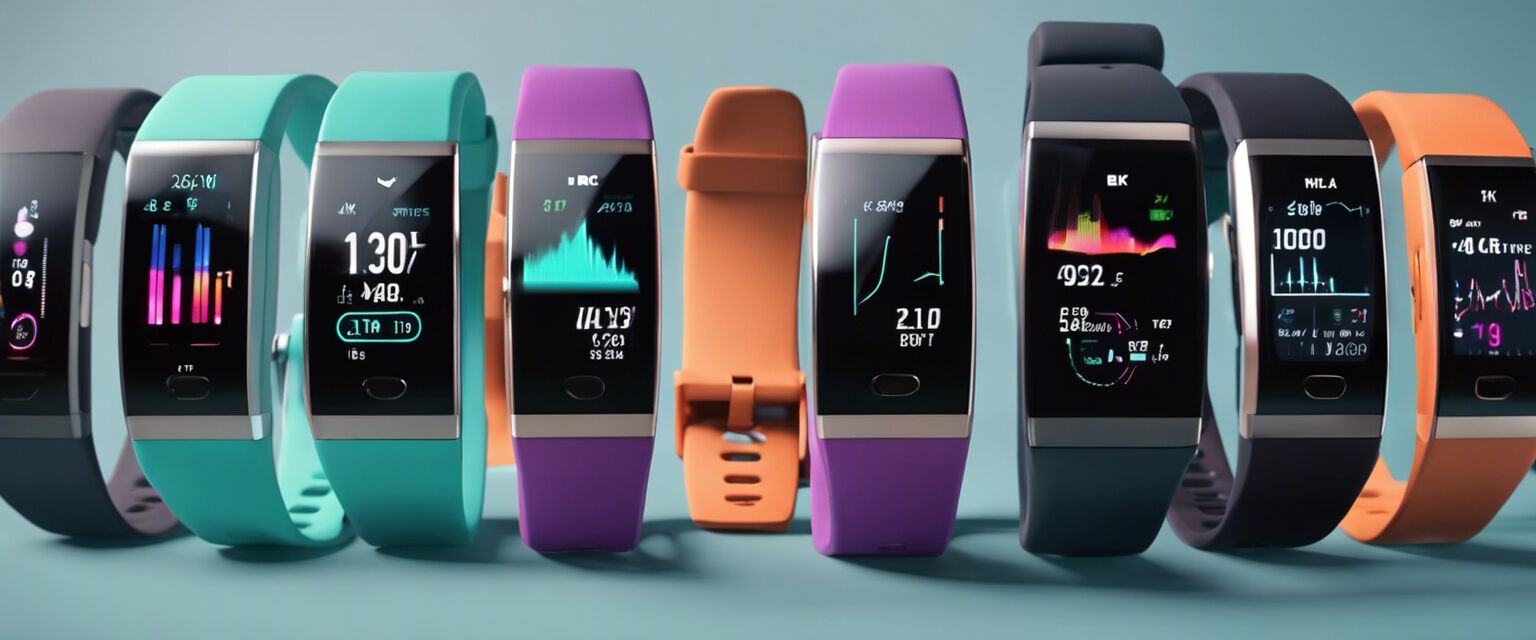
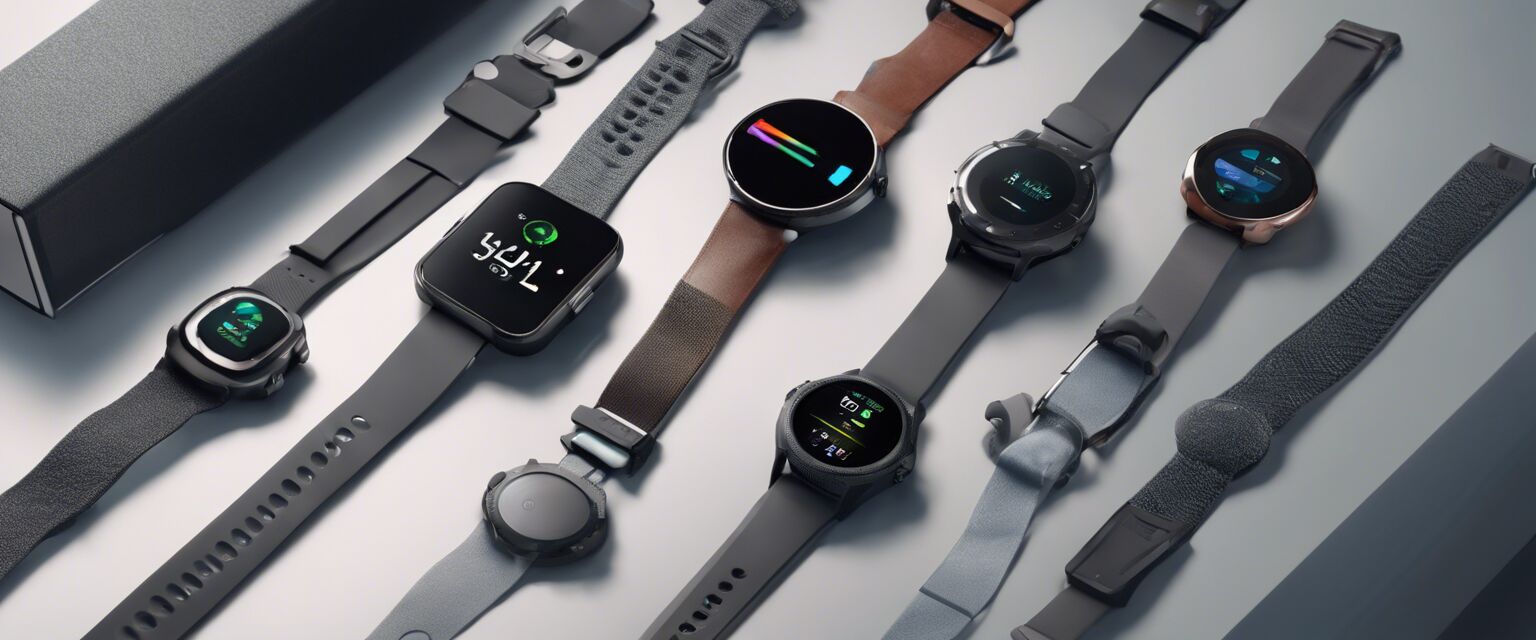
| Smartwatches | Wrist devices that provide notifications, fitness tracking, and apps. | Touchscreen, health monitoring, GPS |
| Fitness Trackers | Focused on physical activity tracking and health data monitoring. | Heart rate monitoring, step counting, sleep tracking |
| Smart Glasses | Augmented reality glasses that enhance the visual experience. | Live notifications, voice commands, video recording |
| Smart Clothing | Fabric embedded with technology for health and fitness tracking. | Heart rate sensors, temperature regulation |
How do smart wearable devices work?
Smart wearable devices operate through various sensors and connectivity technology. Here's a general overview of how they work:
- Sensor technology: Most wearable devices come equipped with sensors (such as accelerometers, gyroscopes, and heart rate monitors) that capture data about the user's activities and health.
- Bluetooth technology: Wearables typically connect to your smartphone or other devices via Bluetooth, enabling data synchronization and remote access to features.
- Mobile apps: Companion applications on smartphones help analyze the data collected from wearables and offer insights to the user.
Benefits of using smart wearable devices
Smart wearables are not only trendy but serve several practical purposes:
- Real-time activity tracking.
- Fitness motivation through performance data.
- Convenient notifications to stay connected without looking at your phone.
- Health monitoring to keep track of vitals.
- Integration with smart home devices for a cohesive tech experience.
Choosing the right smart wearable device
When selecting the best smart wearable device for your needs, consider the following:
- Compatibility: Ensure the wearable is compatible with your smartphone and other devices.
- Features: Identify the features that are essential for you, such as GPS, heart rate monitoring, or waterproofing.
- Battery life: Check the battery life to ensure it meets your usage demands.
- Brand reliability: Choose reliable brands that offer good customer support and warranty services.
- Design and comfort: Since you'll be wearing it, make sure it fits comfortably and matches your style.
Popular smart wearable brands
Some of the well-known brands that offer smart wearable devices include:
- Fitbit
- Garmin
- Apple
- Samsung
- Huawei
Integrating wearables with smart home technology
Smart wearable devices can be integrated with your home's smart technology for enhanced functionality:
- Smart lights: Control lighting through wearables for convenience.
- Security systems: Receive alerts on wearables from your home security devices.
- Smart assistants: Use voice commands to control compatible devices through your wearable.
Conclusion
Smart wearable devices are revolutionizing the way we interact with technology and improve our daily lives. They not only keep us connected but also empower us to understand our health better and manage our activities more efficiently. With numerous options available in the market, it's essential to choose a device that suits your lifestyle and preferences.
Tips for beginners
- Start with a basic fitness tracker to gauge your interest.
- Research various brands and models to understand your options.
- Always check for updates and new features released by manufacturers.
Pros
- Enhanced connectivity and convenience.
- Encourages an active lifestyle.
- Access to a wealth of health data.
- Stylish and customizable designs available.
Cons
- Battery life may be limited depending on usage.
- Some features may require compatible smartphones.
- Potentially high price points for advanced devices.
Explore more about smart wearables:
For more information on how to make your home smarter, check out our other categories:
Future of smart wearables
The future of smart wearable devices looks promising as technology continues to advance. We can expect more innovative features, better integration with smart home technology, and improved health monitoring capabilities. Staying informed and ready to adapt to new trends will ensure you maximize the benefits of your wearable device.