Smart Security Systems
Key Takeaways
- Smart security systems enhance home safety and convenience.
- They integrate with smart home devices for seamless operation.
- Features include remote monitoring, alerts, and automation.
- Choosing the right system depends on your home and personal needs.
- Regular updates and maintenance are crucial for effectiveness.
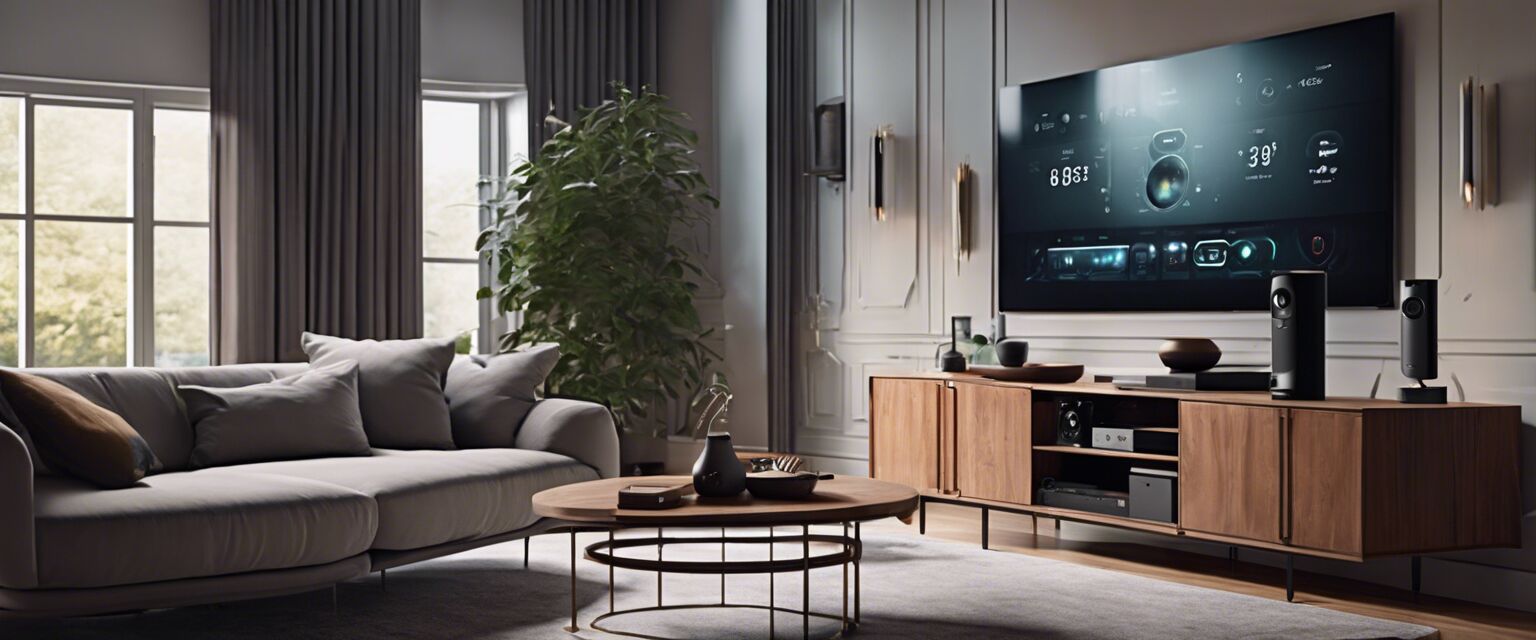
In today's world, ensuring the safety of your home is more important than ever. Smart security systems offer a range of advanced features that not only help in securing your property but also integrate seamlessly with other smart home gadgets. This comprehensive guide will explore the different types of smart security systems available, their features, and how they can transform your home into a safe haven.
What are smart security systems?
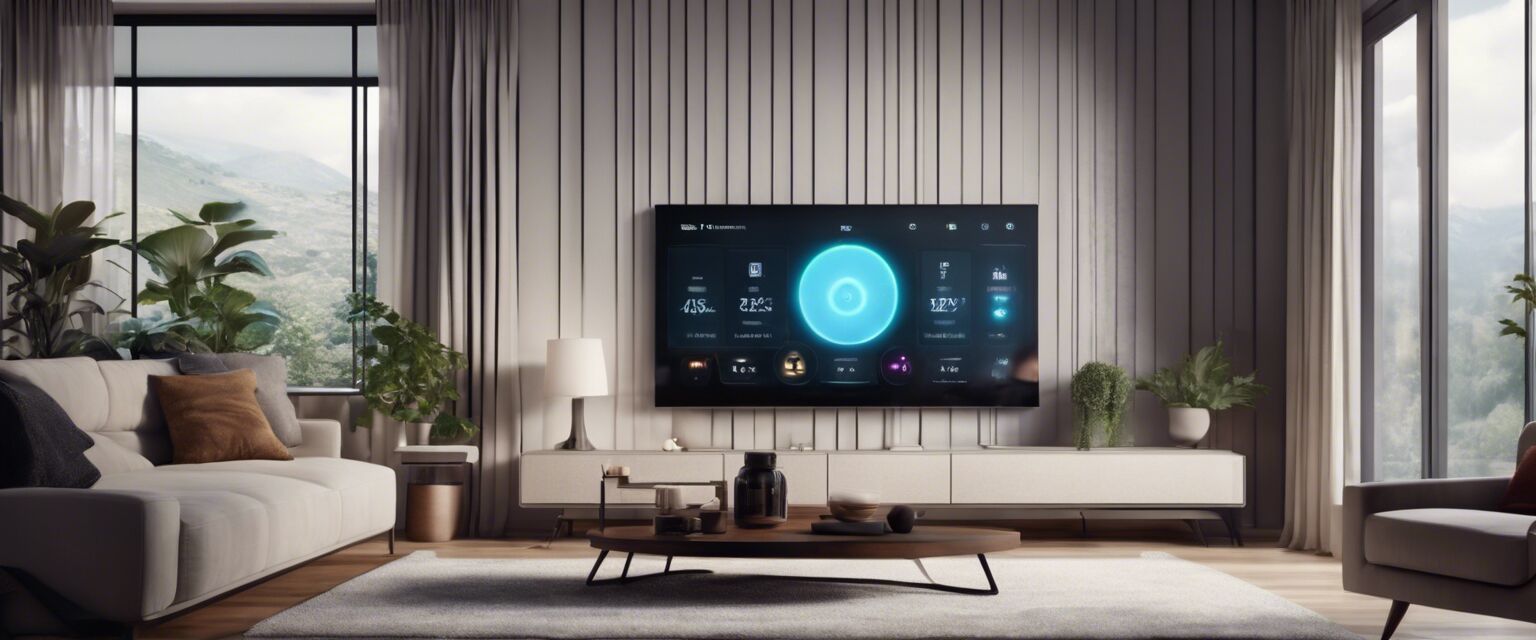
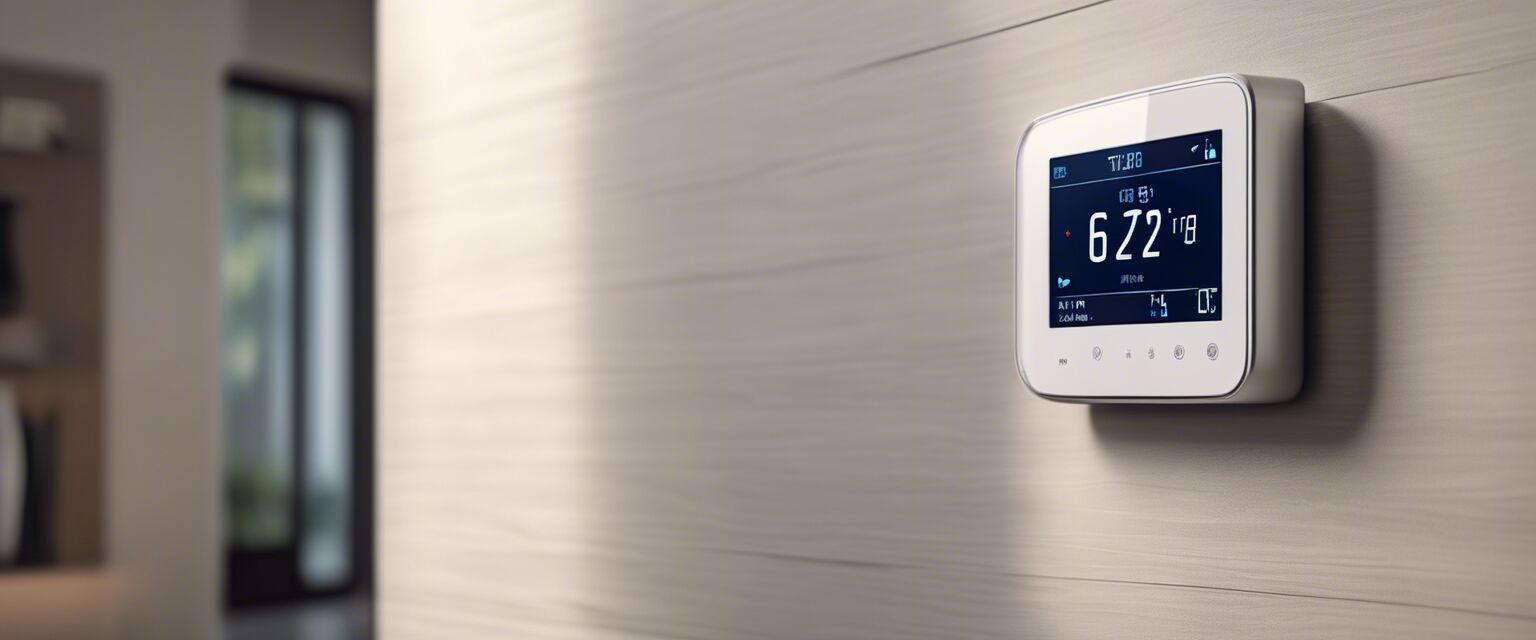
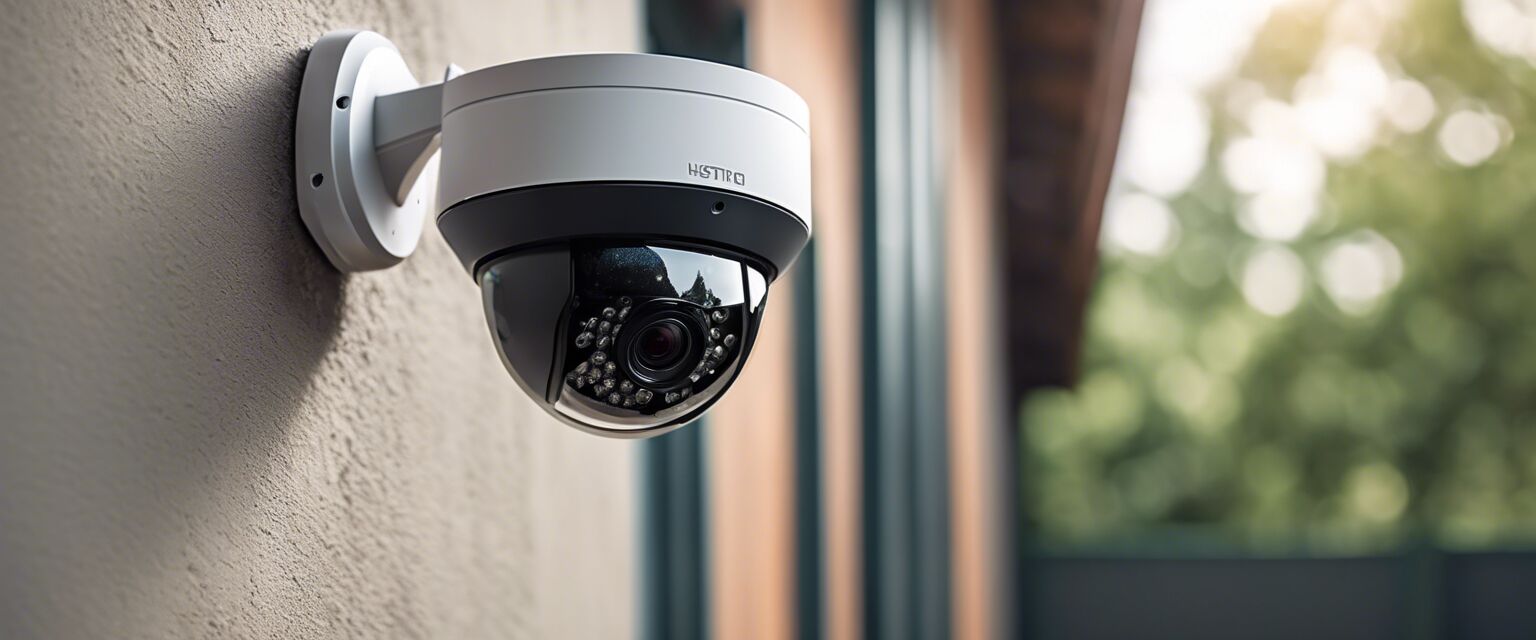
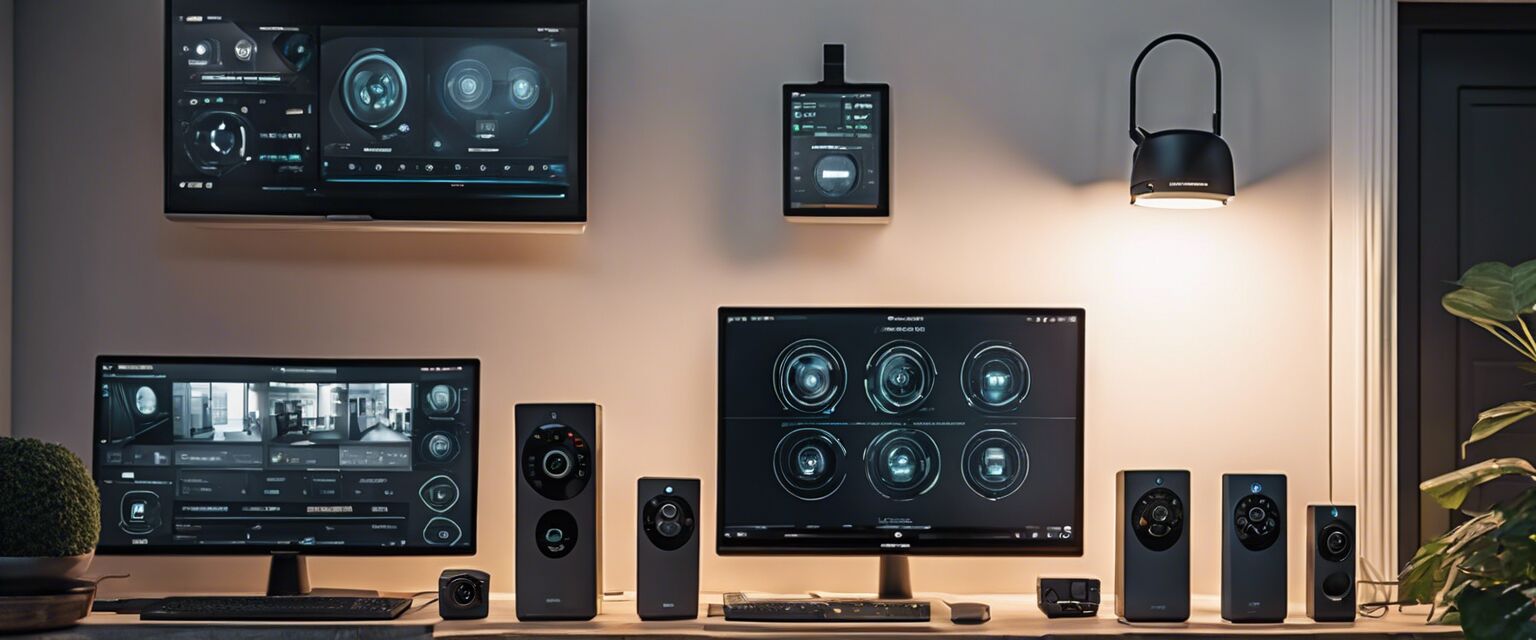
Smart security systems are digital security solutions that utilize advanced technology to monitor and protect homes. These systems can include a variety of devices such as cameras, motion sensors, smart locks, and alarms, all of which can be controlled remotely through a smartphone or tablet.
Benefits of smart security systems
- Remote Monitoring: Access live feeds and alerts from anywhere.
- Automation: Integrate with other smart devices for increased efficiency.
- Cost-Effective: Reduce insurance premiums with security systems.
- Peace of Mind: Know your home is protected 24/7.
Types of smart security systems
There are several types of smart security systems to consider:
| Type | Description | Ideal For |
|---|---|---|
| Smart Cameras | Monitor areas in and around your home with high-definition video. | Homeowners wanting visual security. |
| Motion Sensors | Detect movement and trigger alerts when unusual activity occurs. | Anyone looking for enhanced security. |
| Smart Locks | Allow keyless entry and remote locking/unlocking. | Families wanting convenience and security. |
| Alarm Systems | Sound alarms in case of unauthorized access. | Homeowners seeking immediate alerts. |
Integrating smart security with other smart home devices
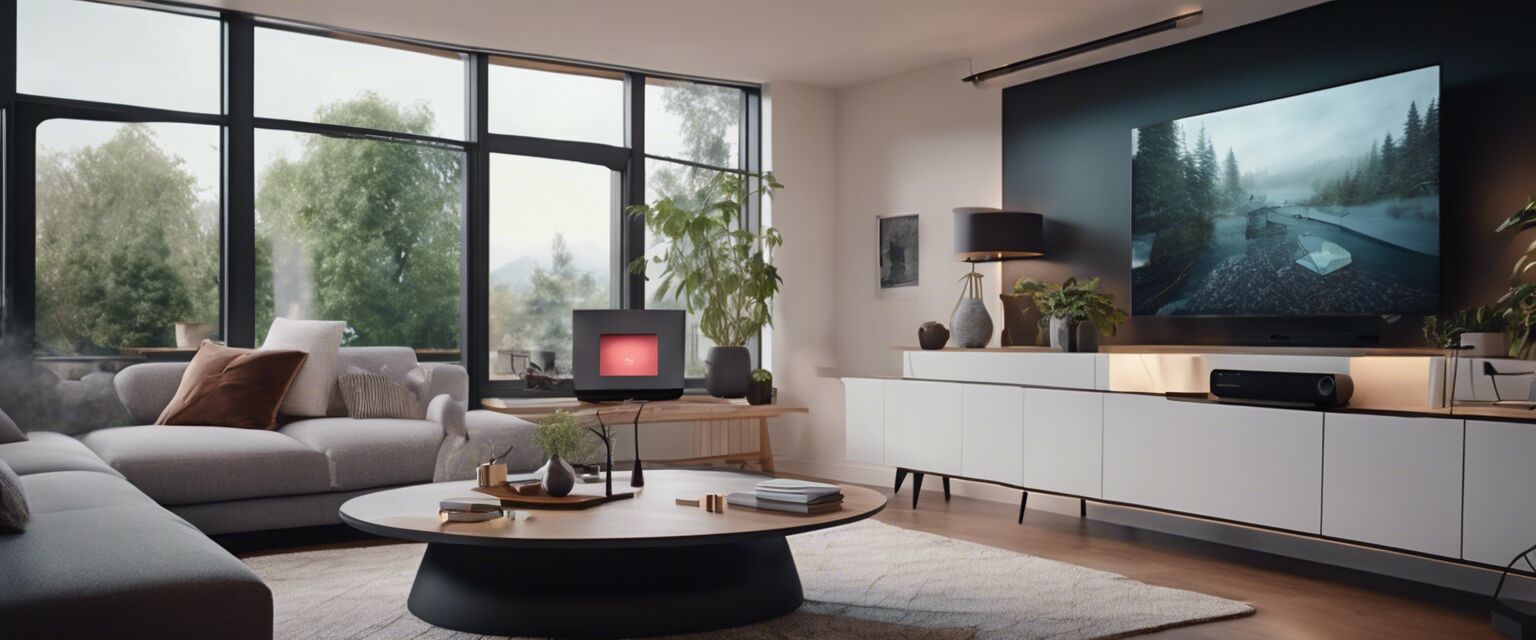
Smart security systems can work in harmony with other devices, creating a more robust protection plan. For example:
- Connect your smart camera to smart lights. When motion is detected, lights can turn on automatically.
- Link your alarm system to smart locks to automatically lock doors when the alarm is activated.
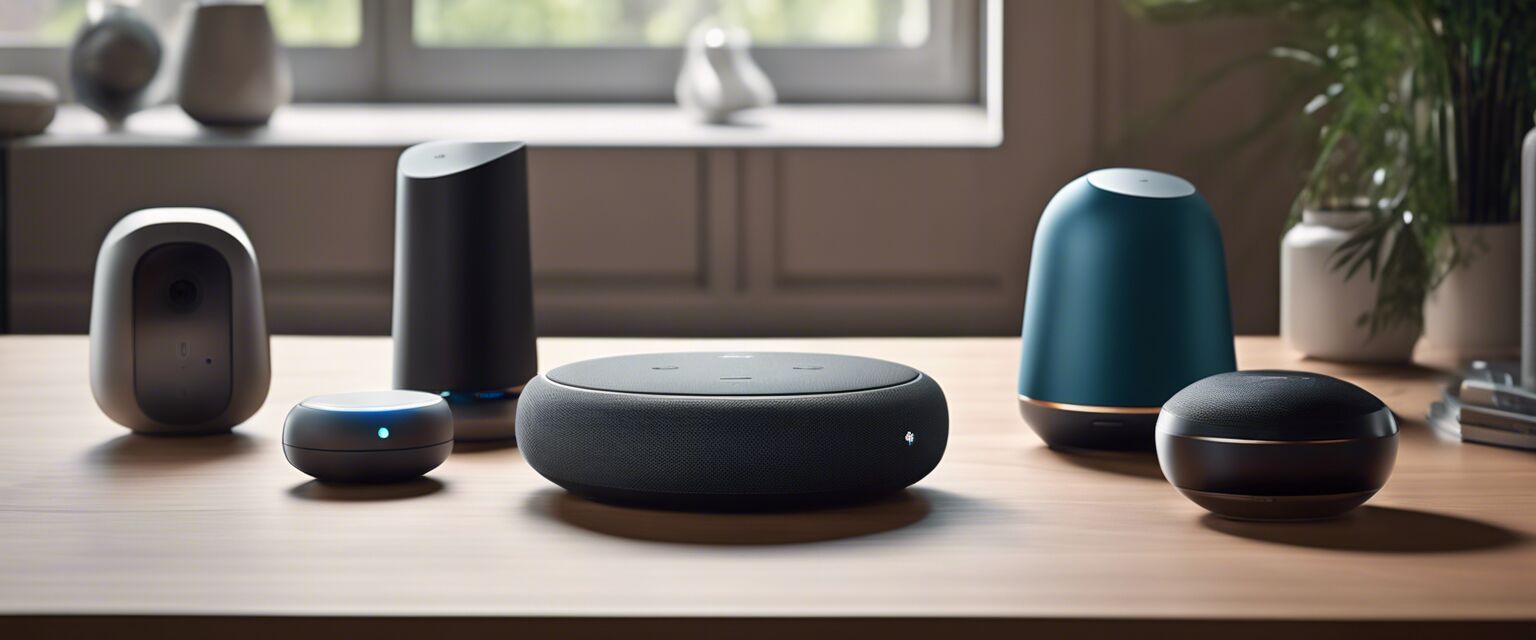
- Use smart home assistants to receive voice alerts about security events.
Features to look for in a smart security system
When selecting a smart security system, consider the following features:
| Feature | Description | Importance Level |
|---|---|---|
| HD Video Quality | Clear images for better identification. | High |
| Night Vision | Ability to monitor in low light. | High |
| Two-Way Audio | Communicate through your security device. | Medium |
| Mobile Alerts | Receive notifications on suspicious activities. | High |
| Cloud Storage | Record and save footage for later review. | Medium |
Choosing the right smart security system for your home
When deciding which smart security system to invest in, consider the following:
- Assess your homeâs layout and entry points.
- Determine your specific security needs.
- Consider your budget and ongoing costs.
- Read reviews and compare different systems.
- Check for compatibility with existing smart home devices.
Maintaining your smart security system
To ensure your smart security system remains effective:
- Regularly update the software and firmware.
- Check battery levels of devices and replace them as needed.
- Test the system periodically to ensure all components are functioning.
- Review footage and alerts regularly to understand patterns.
Pros
- Enhanced safety and security.
- Convenient remote access and control.
- Seamless integration with other smart devices.
- Real-time alerts and monitoring.
Cons
- Can be costly to install and maintain.
- Requires reliable internet connection.
- Potential privacy concerns with cameras.
- Complexity in setup for some users.
Conclusion
Smart security systems are an essential part of creating a safe and secure smart home. They provide homeowners with peace of mind, convenience, and the flexibility to monitor their property from anywhere. By understanding the various types of systems available, their benefits, and how to integrate them into your home, you can take significant steps towards enhanced security.