Smart Home Automation
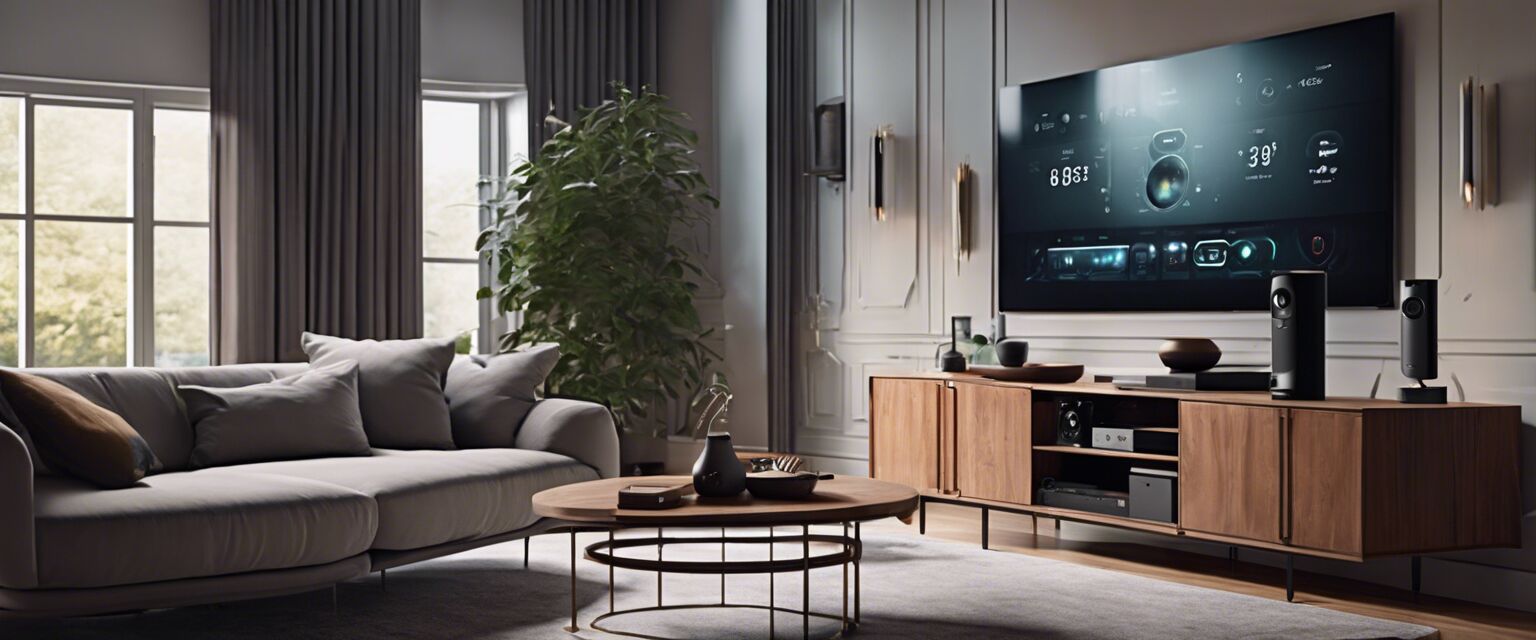
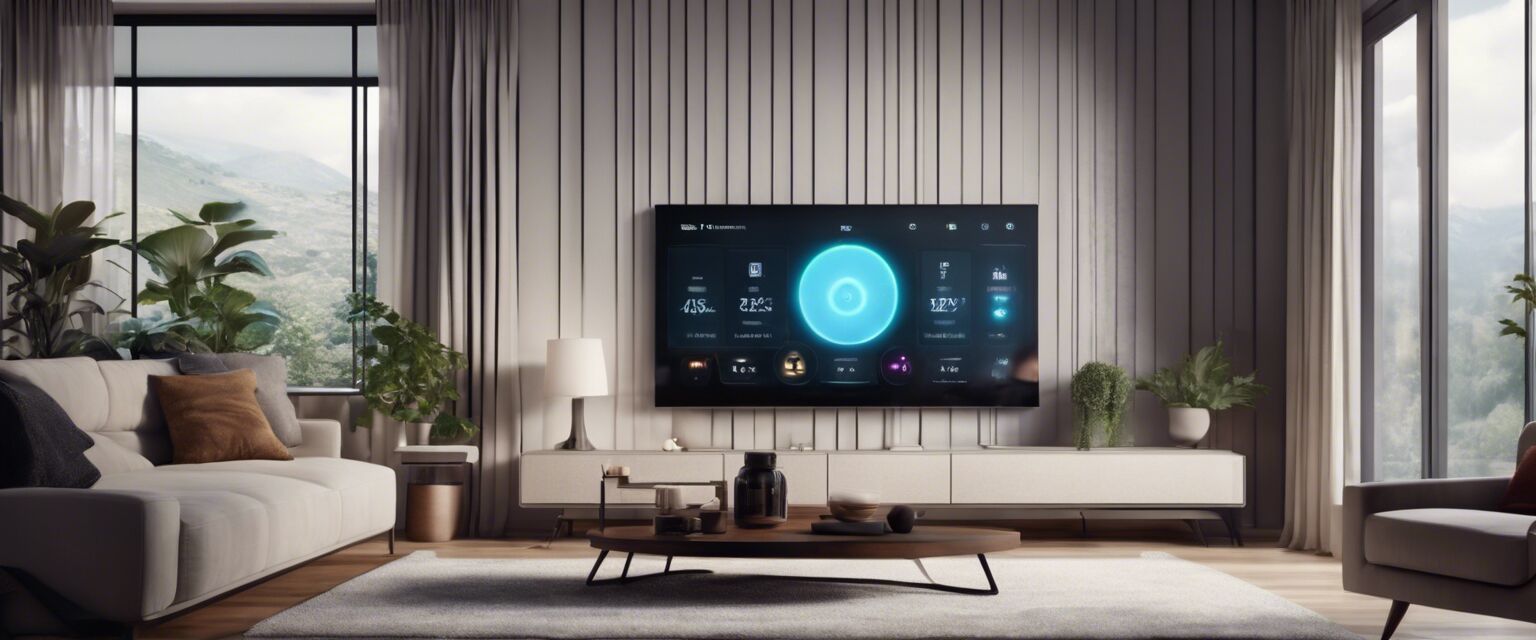
Smart home automation is transforming the way we live, making our homes more efficient, comfortable, and secure. With the latest advancements in technology, it's easier than ever to control various aspects of your homeâfrom lighting to security systemsâusing just your smartphone or voice commands. In this comprehensive guide, we will explore the various smart devices available, their benefits, and how to get started with home automation.
Key Takeaways
- Smart home automation enhances convenience and efficiency.
- It allows remote control and monitoring of home devices.
- Home automation can improve energy savings and security.
- Integration of devices is crucial for optimal performance.
- Starting with a single device can lead to gradual automation.
What is Smart Home Automation?
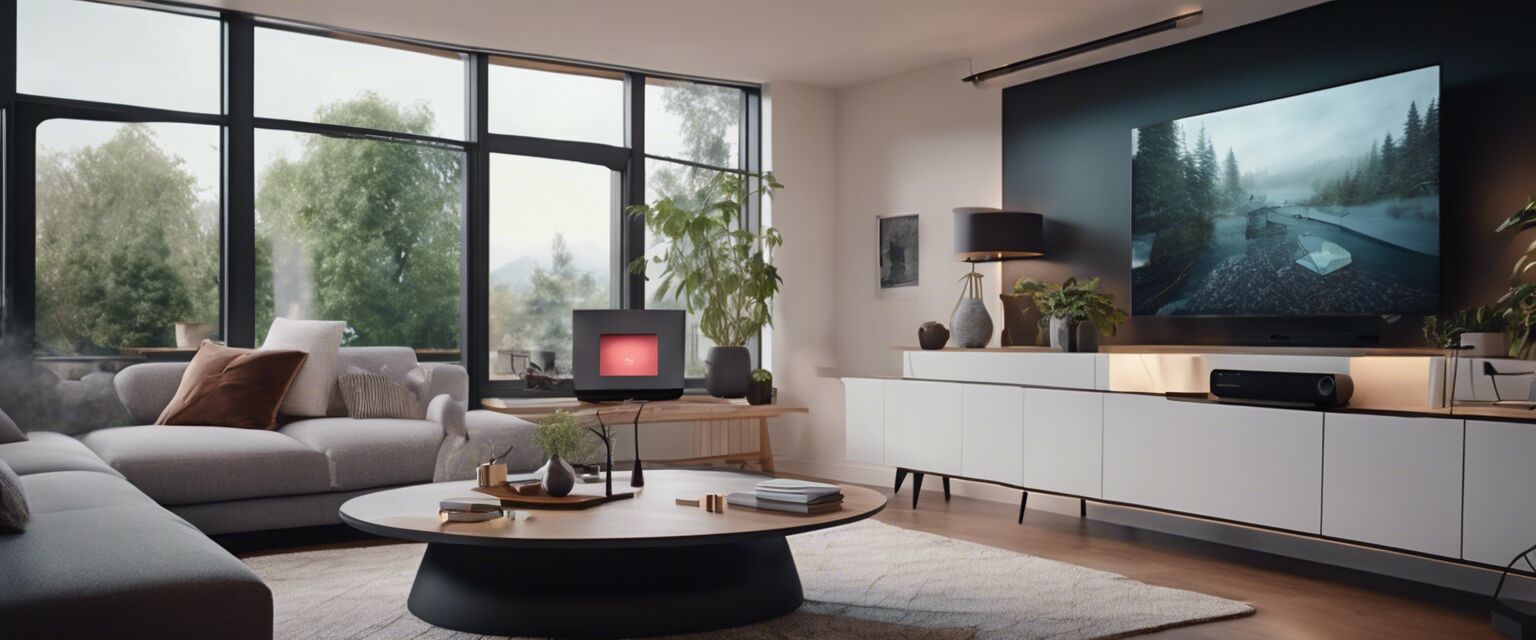
Smart home automation refers to the use of smart devices and technologies to control and manage various functions in your home. This includes lighting, heating, security systems, entertainment, and more. These devices can be controlled remotely through smartphones, tablets, or voice assistants, providing unprecedented convenience and efficiency.
Benefits of Smart Home Automation
- Convenience: Control all your devices from one app or with voice commands.
- Energy Efficiency: Automate your heating and lighting to reduce energy consumption.
- Enhanced Security: Monitor your home with security cameras and smart locks.
- Increased Comfort: Adjust your home environment to suit your preferences.
Popular Categories of Smart Devices
There are several categories of smart devices that can be integrated into your home automation system:
| Category | Description |
|---|---|
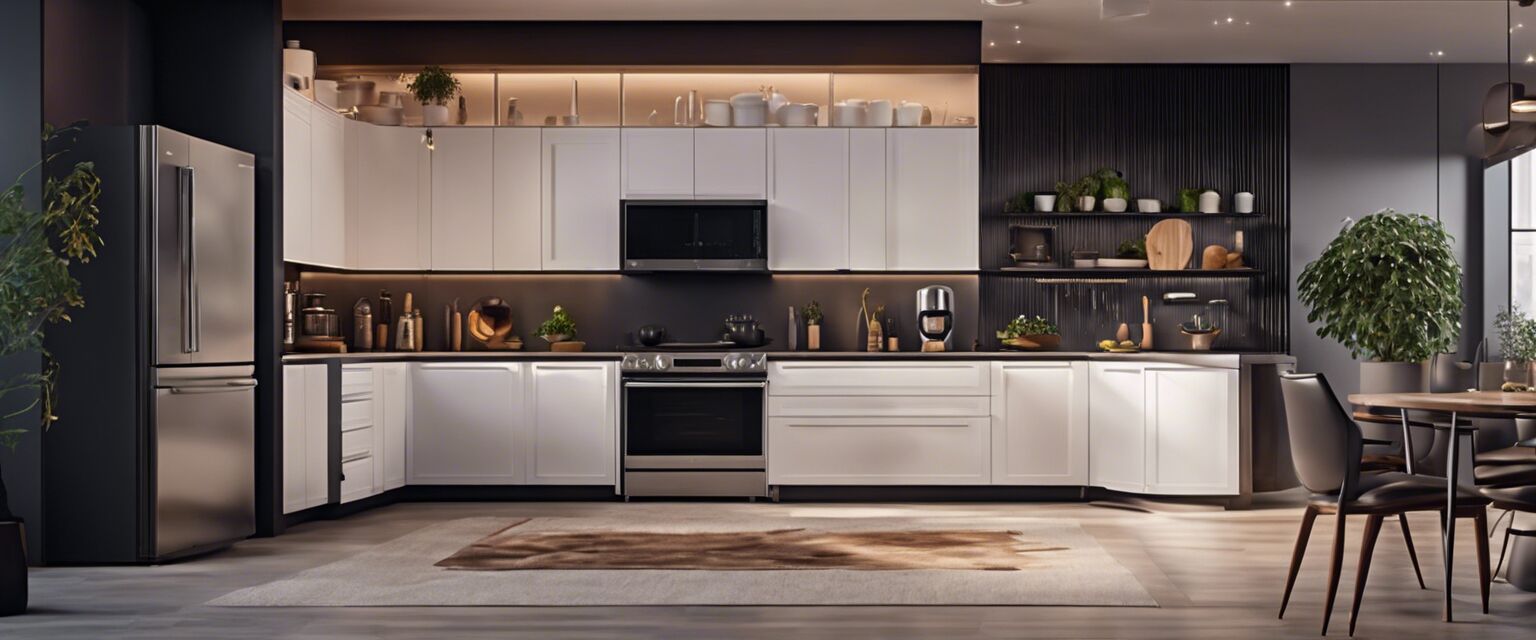
| Smart Appliances | Devices like smart refrigerators and ovens that can be controlled remotely. |
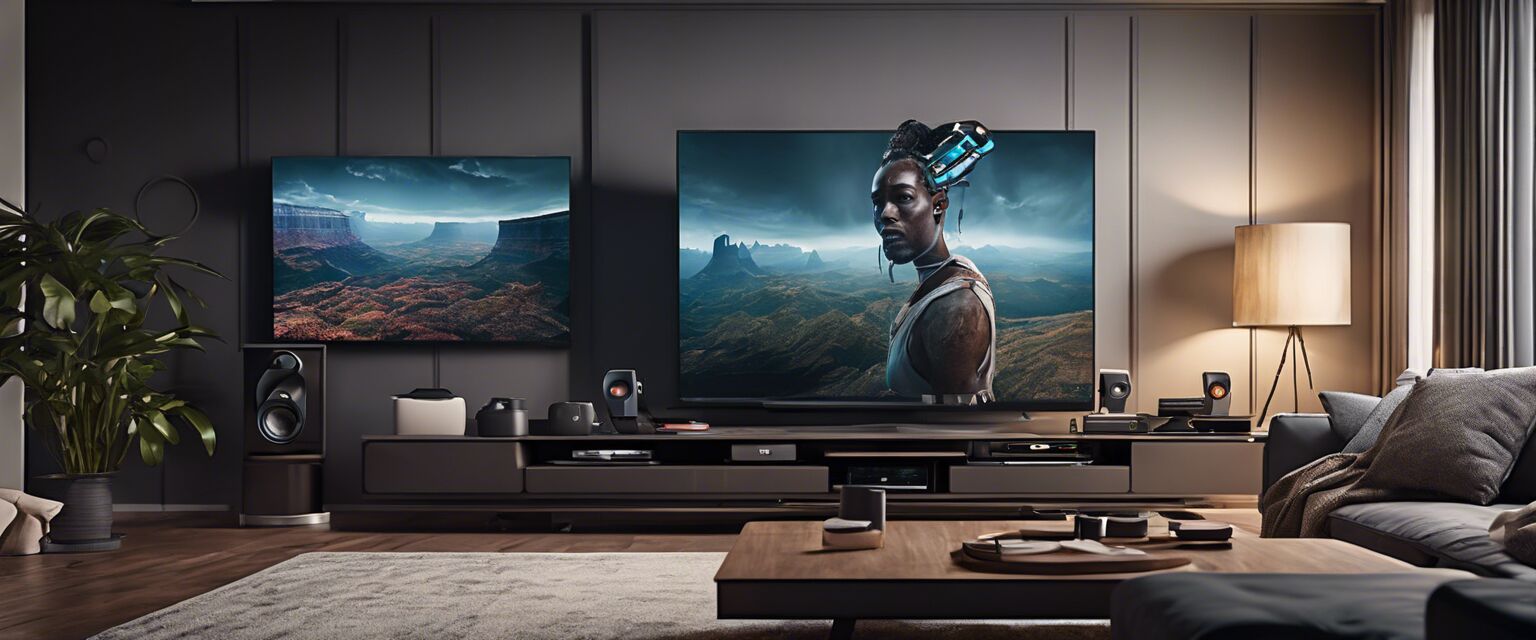
| Smart Entertainment | Streaming devices, smart TVs, and audio systems that provide seamless entertainment. |
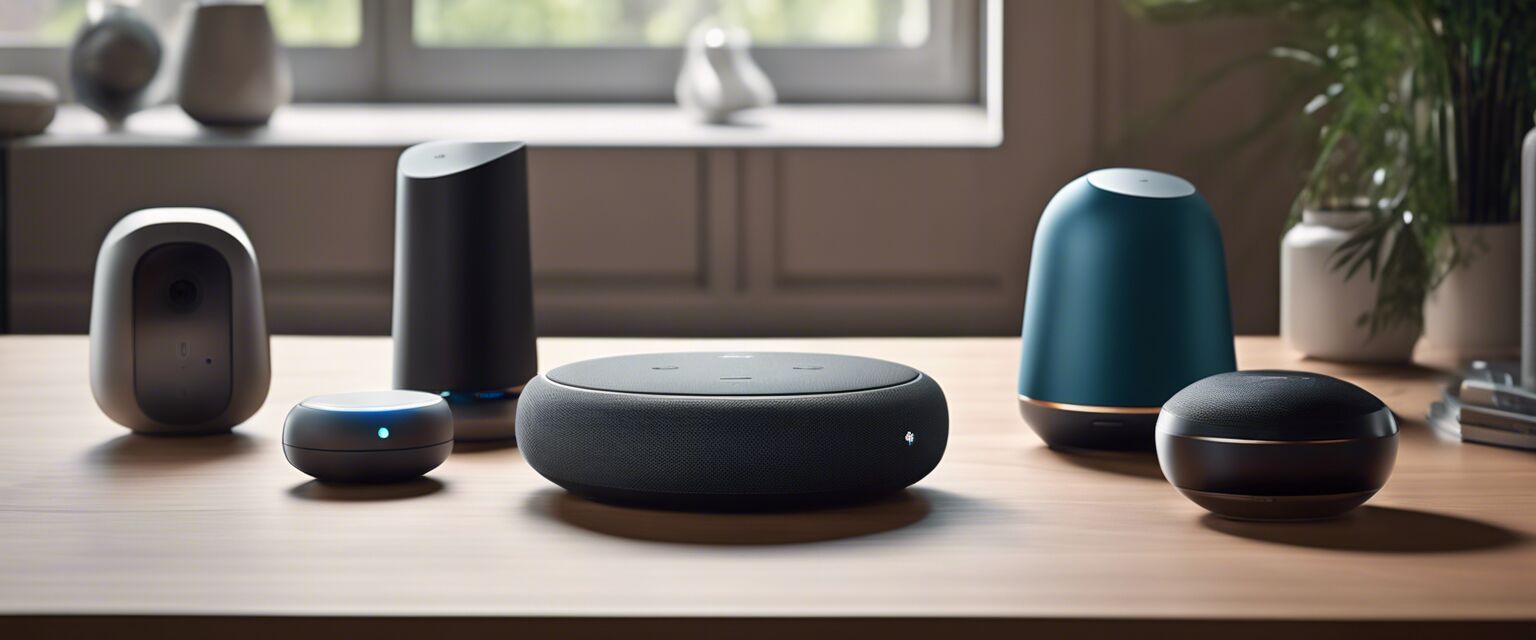
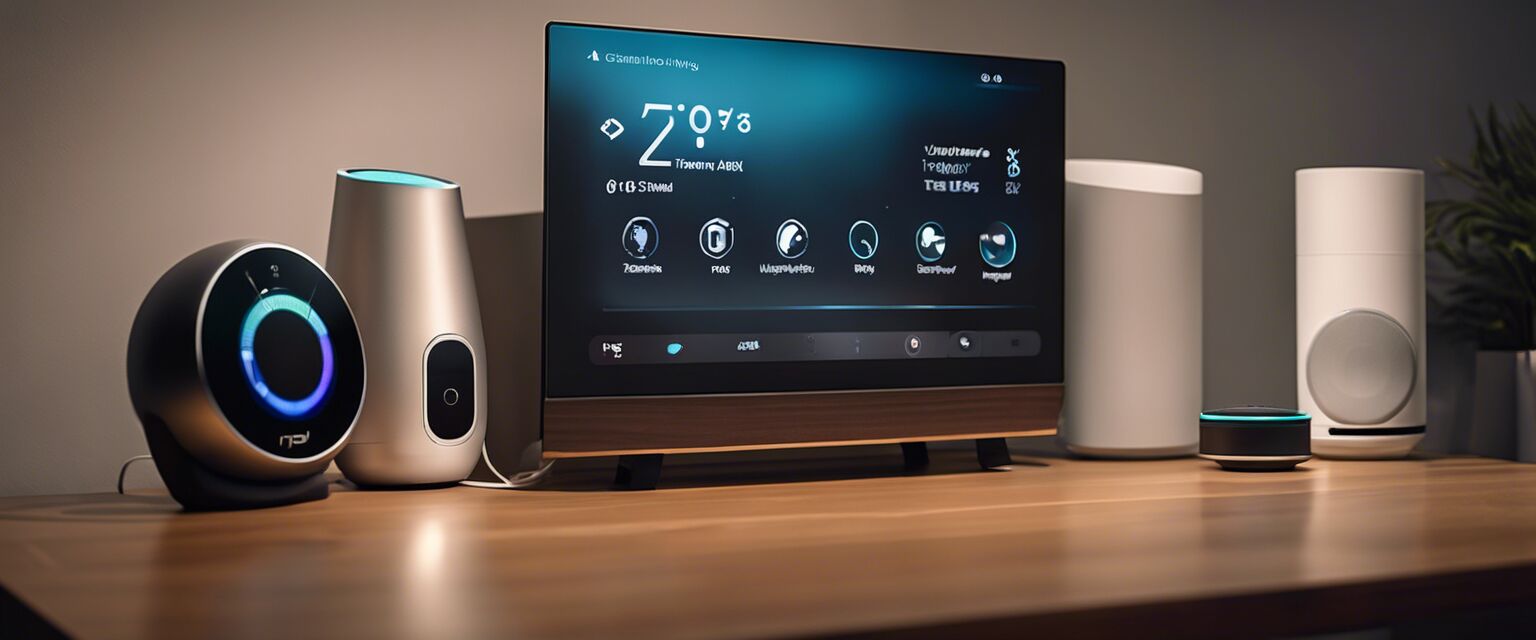
| Smart Home Assistants | Devices like Amazon Echo and Google Home that control other smart devices. |
| Smart Lighting | Smart bulbs and lighting systems that can be adjusted remotely or via automation. |
| Smart Security Systems | Security cameras, alarms, and smart locks to protect your home. |
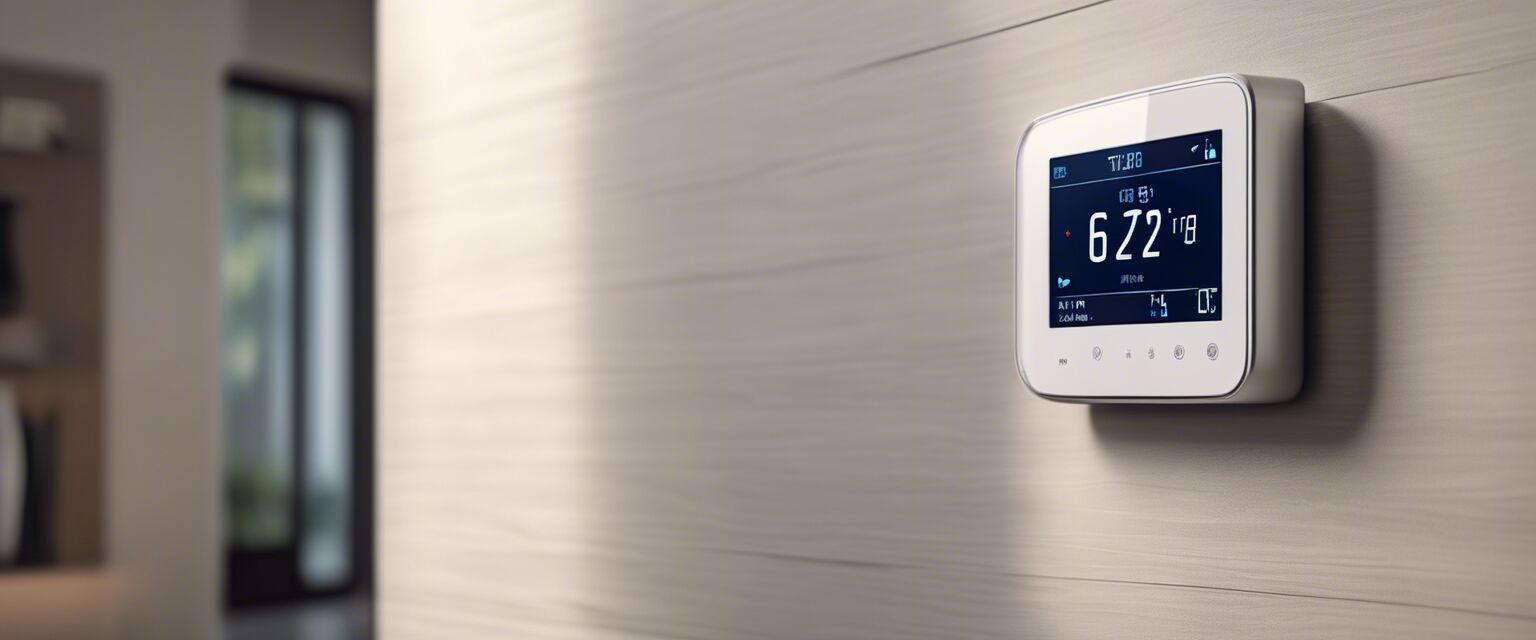
| Smart Thermostats | Thermostats that learn your schedule and optimize energy use. |
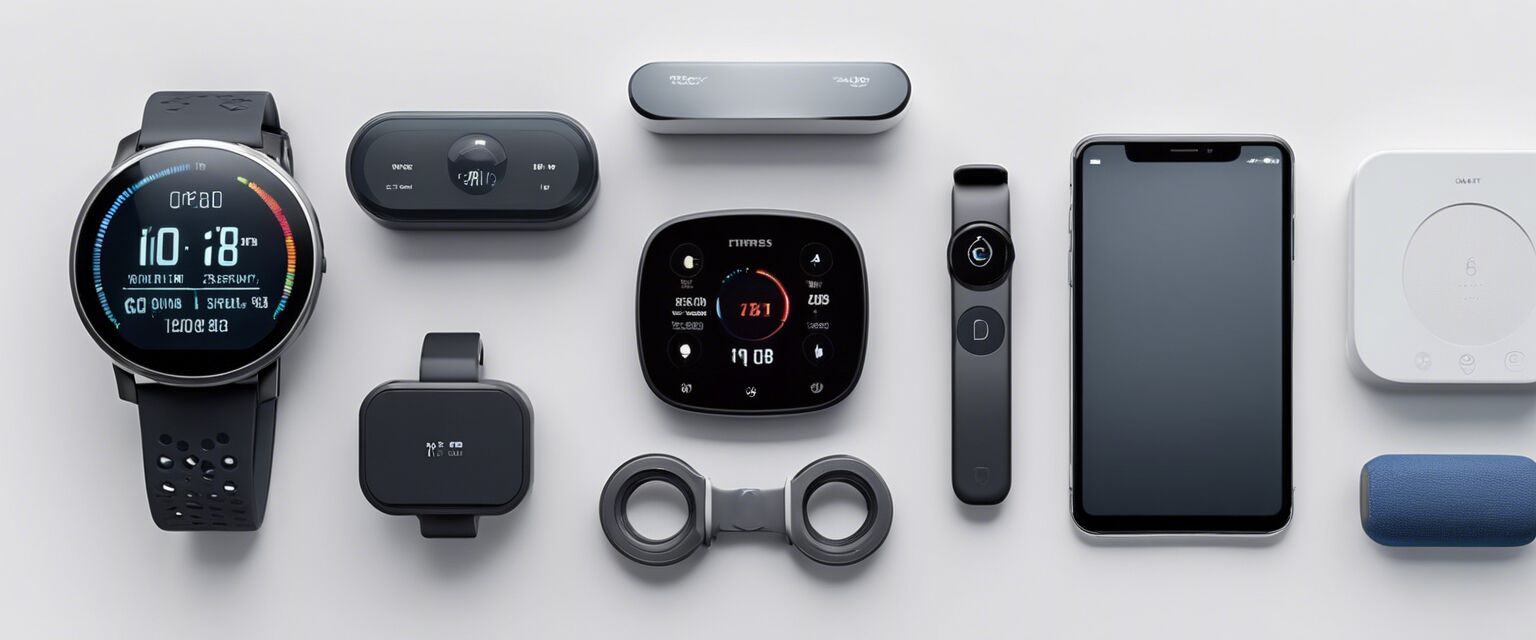
| Wearable Tech | Devices like smartwatches that connect to your home automation system. |
How to Get Started with Smart Home Automation
Getting started with smart home automation can be simple and fun. Here are some steps to guide you:
- Choose a Smart Home Ecosystem: Consider platforms like Amazon Alexa, Google Assistant, or Apple HomeKit.
- Start Small: Begin with one or two devices, such as smart lights or a smart speaker.
- Install Devices: Follow the manufacturer's instructions for setup, typically involving a mobile app.
- Integrate Devices: Connect your devices to your chosen ecosystem for centralized control.
- Automate Functions: Set up routines and schedules for your devices to operate automatically.
Tips for Beginners
- Research compatibility between different brands and devices.
- Consider security features when choosing smart devices.
- Keep your firmware updated for the best performance and security.
- Utilize forums and user reviews for troubleshooting and tips.
Common Smart Home Automation Devices
Here are some common devices used in smart home automation:
| Device | Function |
|---|---|
| Smart Bulbs | Control brightness and color remotely or through automation. |
| Smart Plugs | Turn any device into a smart device by controlling its power supply. |
| Smart Thermostats | Learn your preferences and adjust heating or cooling automatically. |
| Smart Speakers | Control other smart devices with voice commands and stream music. |
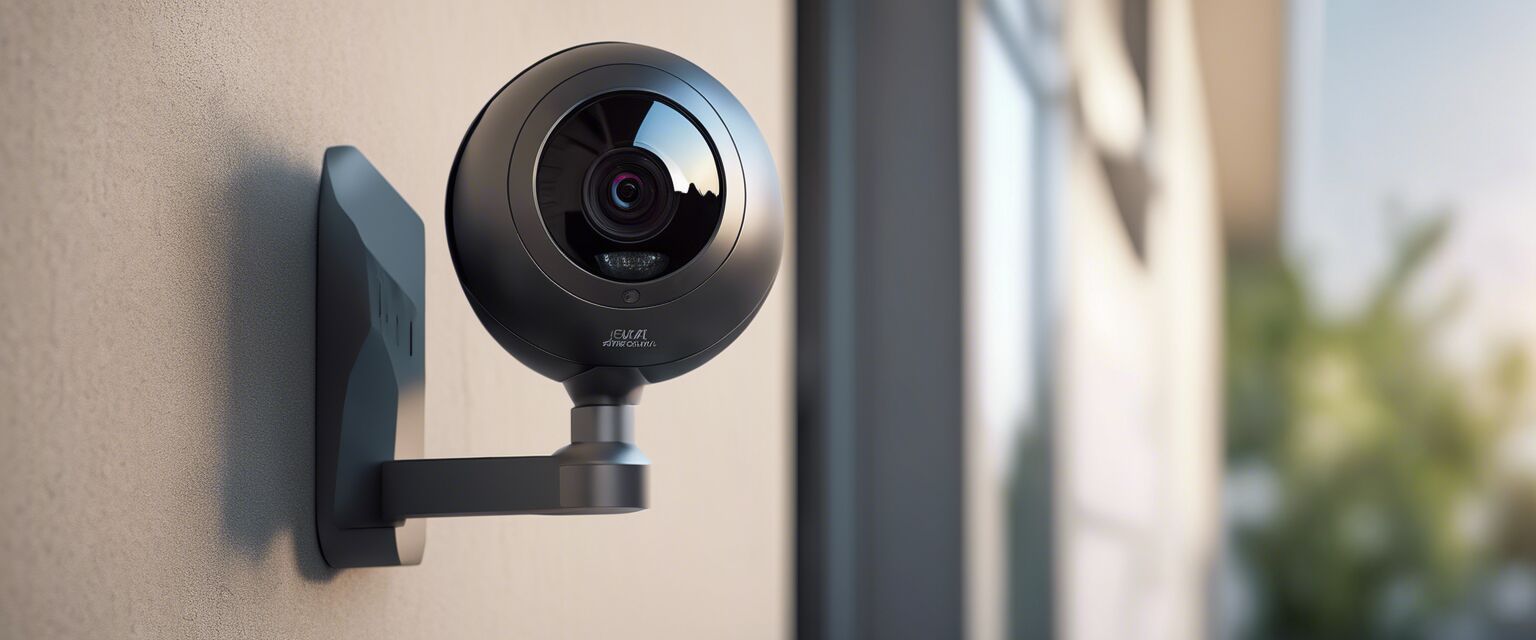
| Smart Security Cameras | Monitor your home remotely and receive alerts on suspicious activity. |
Challenges of Smart Home Automation
While smart home automation offers many benefits, there are also challenges to consider:
Pros
- Increased convenience and control over home devices.
- Potential for energy savings and improved efficiency.
- Enhanced security measures for peace of mind.
- Customization of home environments to suit your lifestyle.
Cons
- Initial setup cost can be high depending on the devices.
- Compatibility issues between different brands and systems.
- Reliance on internet connectivity for most functionalities.
- Concerns about data privacy and security breaches.
Conclusion
Smart home automation is revolutionizing the way we live, offering convenience, efficiency, and security. By starting with a few devices and gradually expanding your system, you can create a smart home that caters to your lifestyle. As technology continues to advance, the possibilities for home automation will only expand, making it an exciting time to explore this innovative field.